Time to Take a Peek

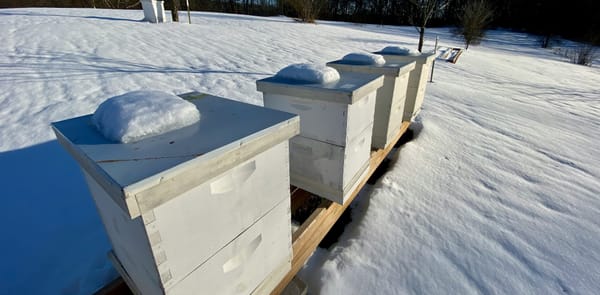
Today was a beautiful spring day in the middle of February. The bees were bouncing around in flight to show their excitement as well . The cold winter days kept them clustered inside. But today was a day when they could spread their wings and fly!
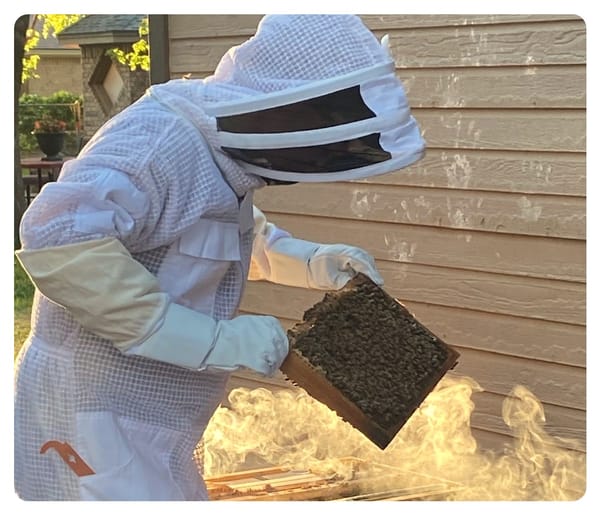
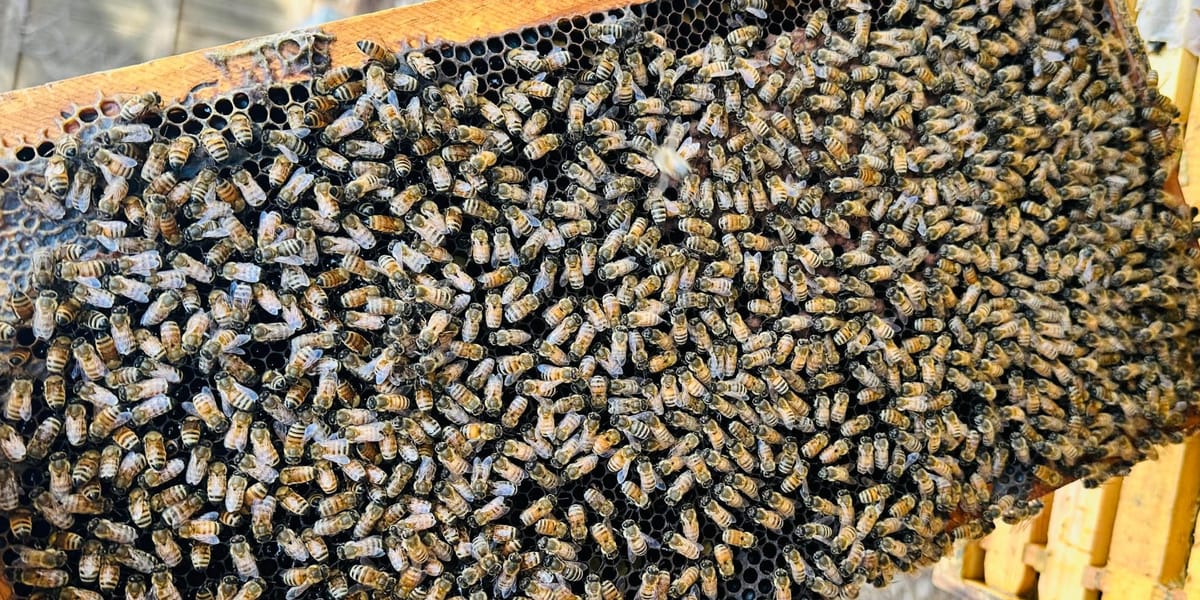
It was also a good day for me to take a peek inside. I looked in all 6 of my hives and all but one was brimming with bees. I also noticed the queen was beginning to lay. This is a really good sign since the health of a hive is ultimately determined by the productivity of the queen. Once spring gets rolling, she will lay as many as 2000 eggs a day.
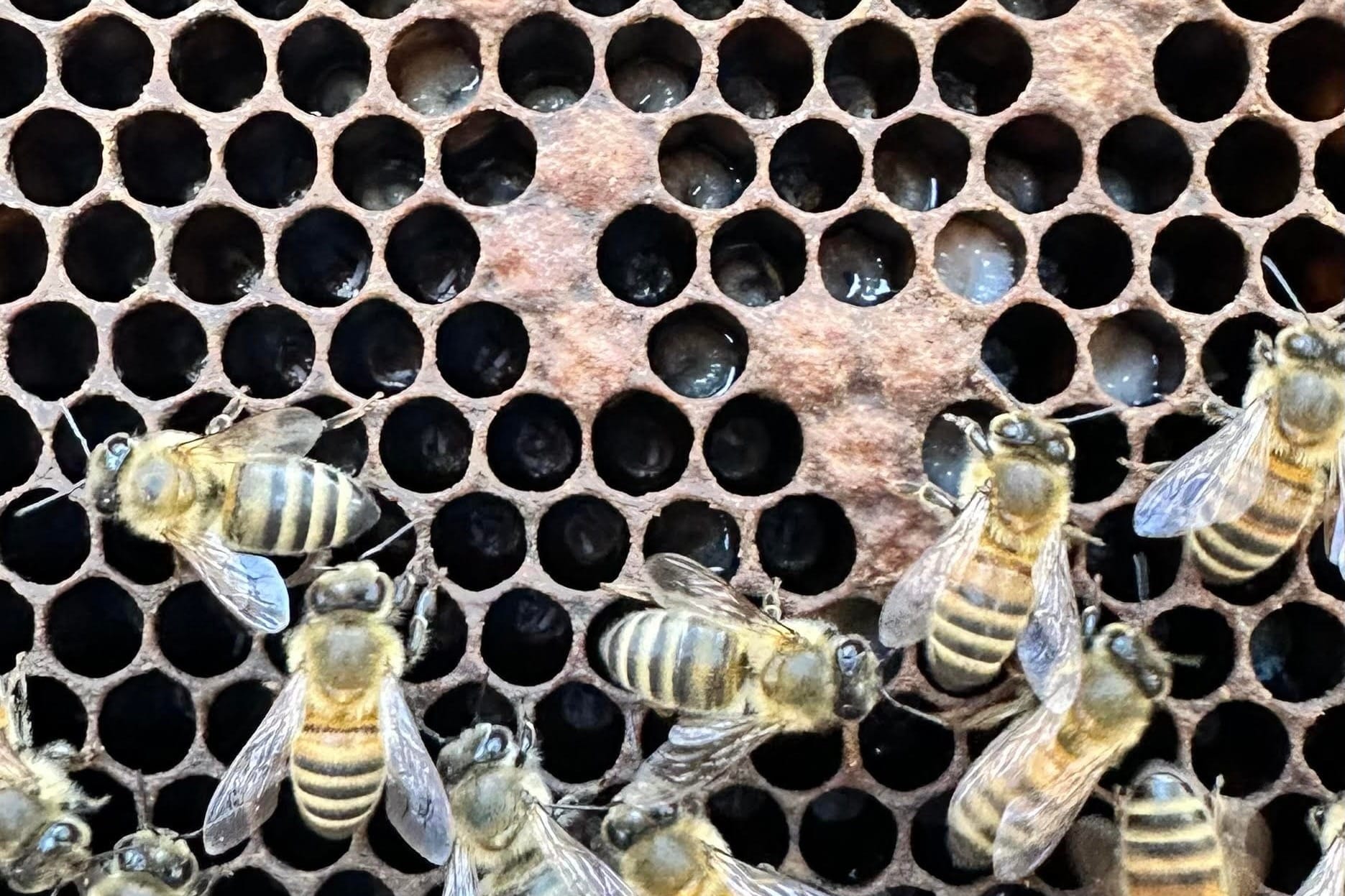
These eggs will develop into adult worker bees in just 21 days. After three days, the shell of the egg will dissolve revealing a tiny white larvae. This larvae is a feeding machine and will grow exponentially. They primarily feast on what is known as "brood food". This is a mixture produced by glands located in the worker bee's head that contains ingredients such as water, proteins, sugars, lipids, vitamins and minerals. It's super food for a developing bee larvae which will shed its skin several times to accommodate the rapid growth. Nurse bees visit a developing larvae thousands of times over a period of days. But once it reaches a sufficient size, the cell is capped with wax. And this is where the magic happens!
Inside the capped cell, the worm like larvae begins to transform into an insect. They develop into a pupae and cover themselves in a silky cocoon similar to a butterfly. Inside the cocoon bees start to form eyes, legs, wings and an unusually fuzzy body. In fact, if you see a fuzzy honey bee, it's likely it was recently born.
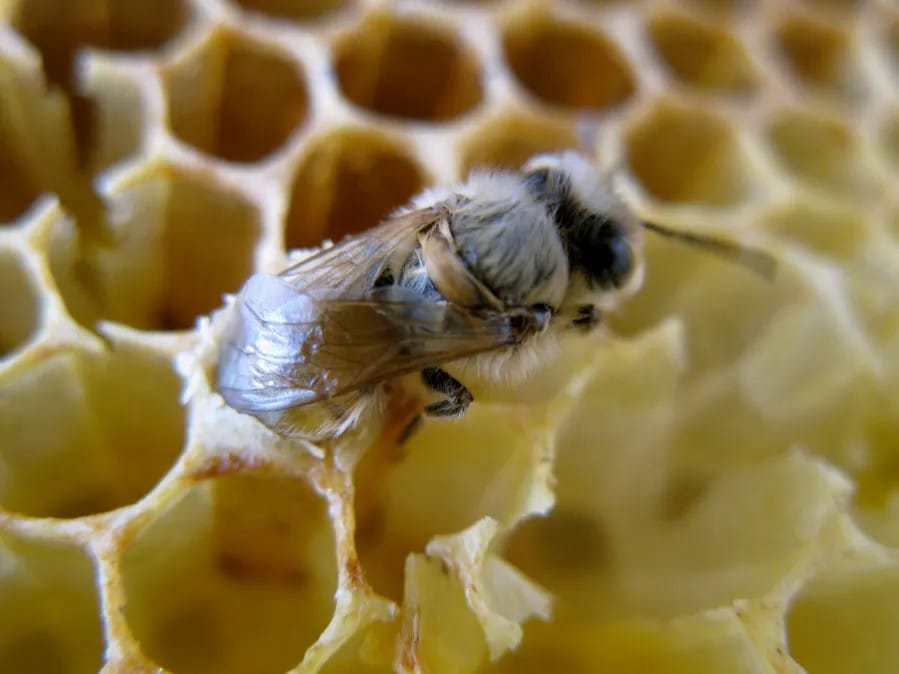
Once the transformation inside the cell is complete, the fully grown bee will chew its way through the wax capping and emerge to join her sisters. After emerging, the first thing she will do is clean the clean the cell she just came out of and then immediately go to work in the colony. I think this is completely amazing, since I know some adult humans who still don't clean their room!
Bees go through a complete metamorphosis, from egg to larvae to pupae to adult bee, in just 21 days. Even more amazing, is a queen goes through this exact same process in just 16 days. Even though she's almost twice the size of worker bee, she actually develops 5 days faster. Remarkably, it all begins from the very same egg. The only difference in a worker bee and a queen bee is the size of their cell and the food they are fed. So in that sense, you might say that a worker bee is an underfed queen and a queen is an overfed worker. (Noodle on that one for a minute.)
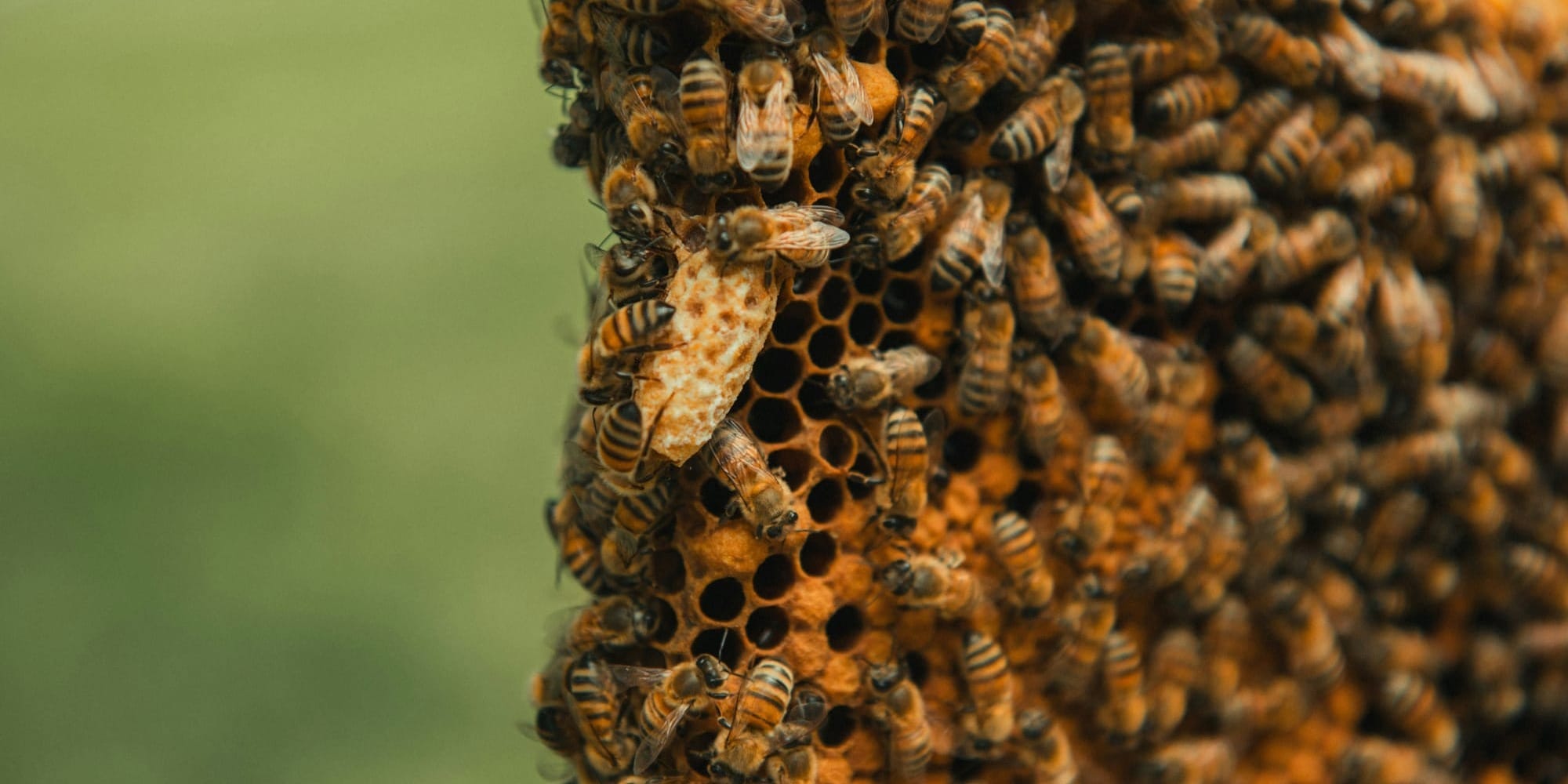
The queen develops in a "queen cell" that looks like a peanut shell growing out of the honeycomb. She is only fed royal jelly, which is also produced by glands located in the head of nurse bees. And once the queen emerges, nurse bees will continue to feed her for the rest of her life. But I think that's the least they can do for a mom who produces 2000 new siblings every day.
But let's think about this. A bee's development is determined by what it is fed. And at some level, the same is true for us. Isn't that where we get the phrase: "You are what you eat"? Our bodies are literal construction projects fueled entirely by our diet. But let's go even deeper. What about what we feed our mind? We are also deeply influenced by what we listen to, what we read, and what we watch. We experience our own "metamorphosis" as we are transformed by the truth we consume. This is why Paul writes to the Romans:
“And do not be conformed to this world, but be transformed by the renewing of your mind, so that you may prove what the will of God is, that which is good and acceptable and perfect.” (Romans 12:2, NASB95)
So may we learn from the bees and take this to heart. Who we become is based on the truth we consume.