Winter Waiting

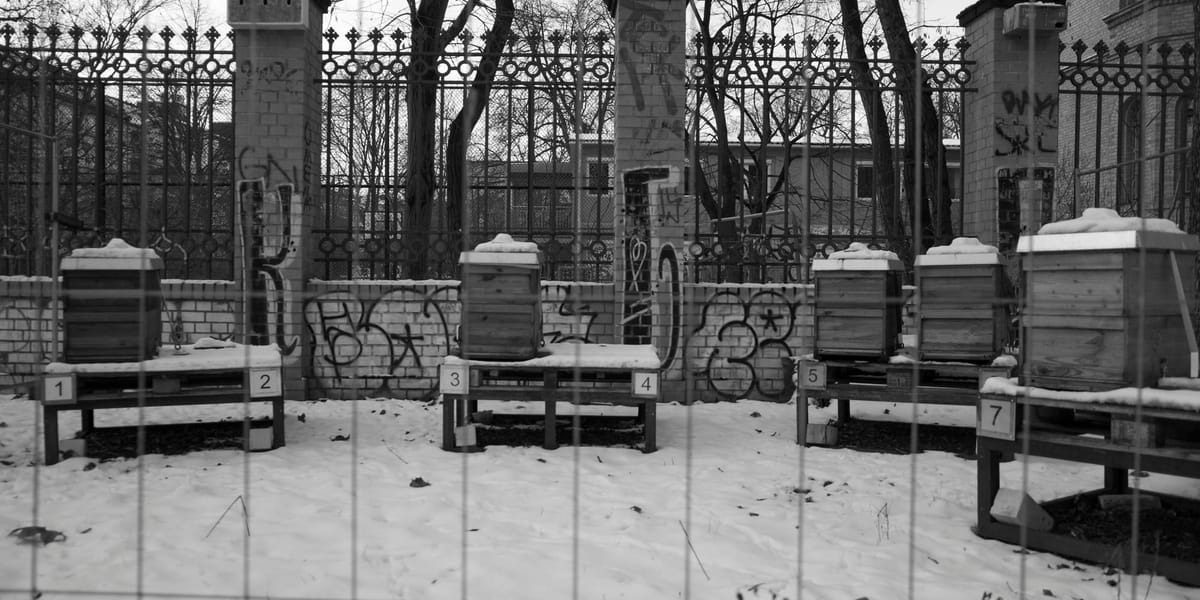
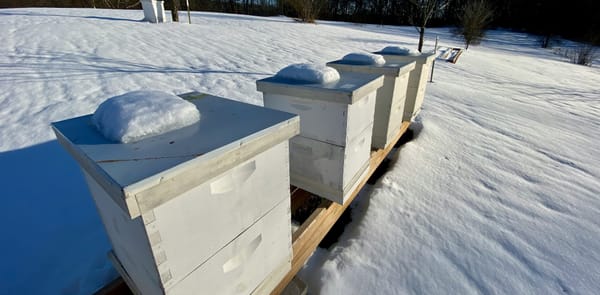
What do beekeepers do in the winter? (Other than press their ear next to the hive box and listen for the steady hum of bees staying warm inside.) They clean, they build, they wait.
Now I'll admit, cleaning is not my favorite thing (says every male on the face of the planet). But it is a job that must be done as a beekeeper. This includes recycling old comb that has been in the hive for more than 3-4 years. Because when bees first draw out their comb, the wax is pristine. It is a pure white color made from the wax glands of worker bees between 12 and 20 days old. And it is a precious commodity. Because honey bees must consume up to 8 lbs of honey to produce just 1 lb of wax.
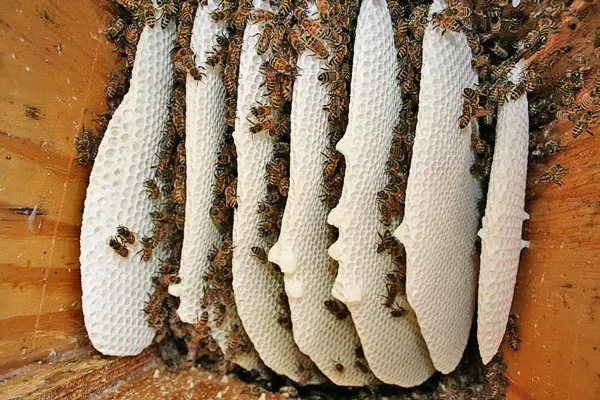
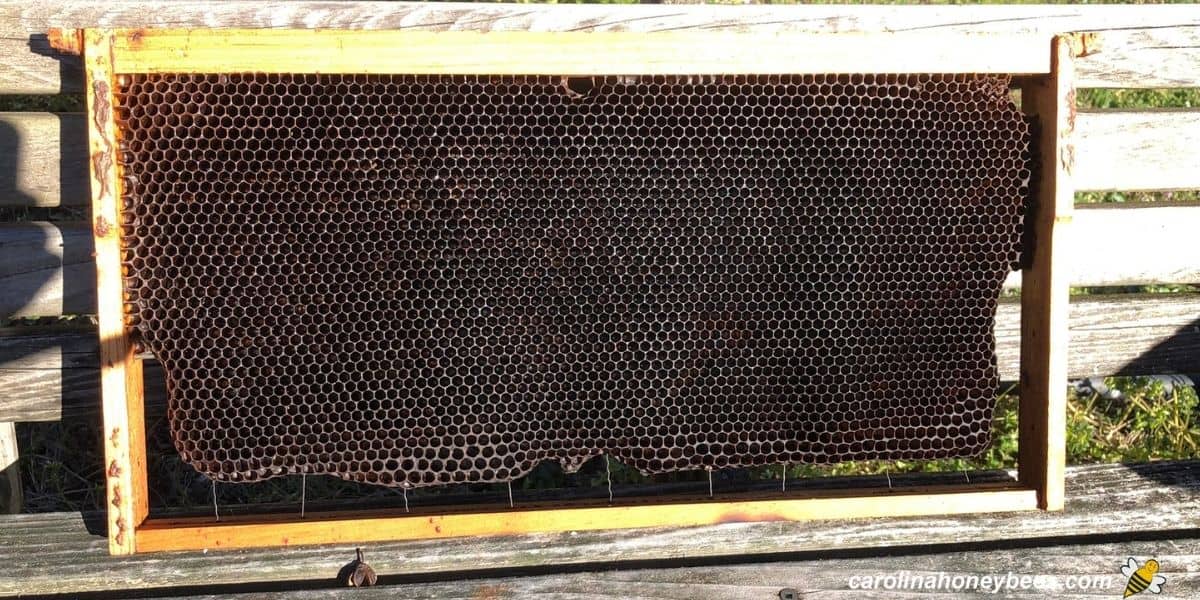
But over time, this beautiful white wax darkens in color. How does that happen you ask? Well, just imagine what your new white carpet would like if no one ever wiped their feet at the door after spending the day playing in the garden. Because that's what bees basically do. They not only bounce from flower to flower, but foraging bees also walk on the ground and meander through the mud as they work their way to a puddle of water. And when they return home, those silly little creatures always forget to wipe their feet at the door before entering the hive.
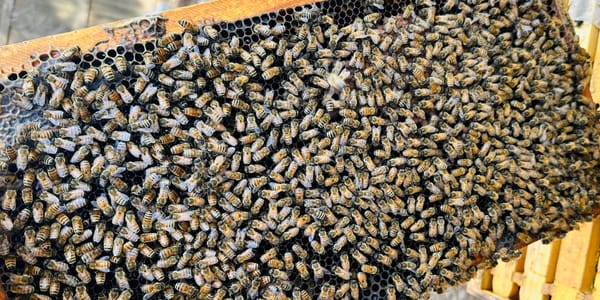
Despite the diligent efforts of the house bees who work tirelessly to keep the place clean, the honeycomb absorbs whatever the bees bring in. That's because beeswax in porous and acts like a sponge. It absorbs pesticides, heavy metals, and chemicals brought in from the environment outside, trapping these impurities inside the wax instead of letting them circulate throughout the hive. So eventually, the wax must be removed from the foundation of each frame, allowing the bees to start fresh and build new comb once again.
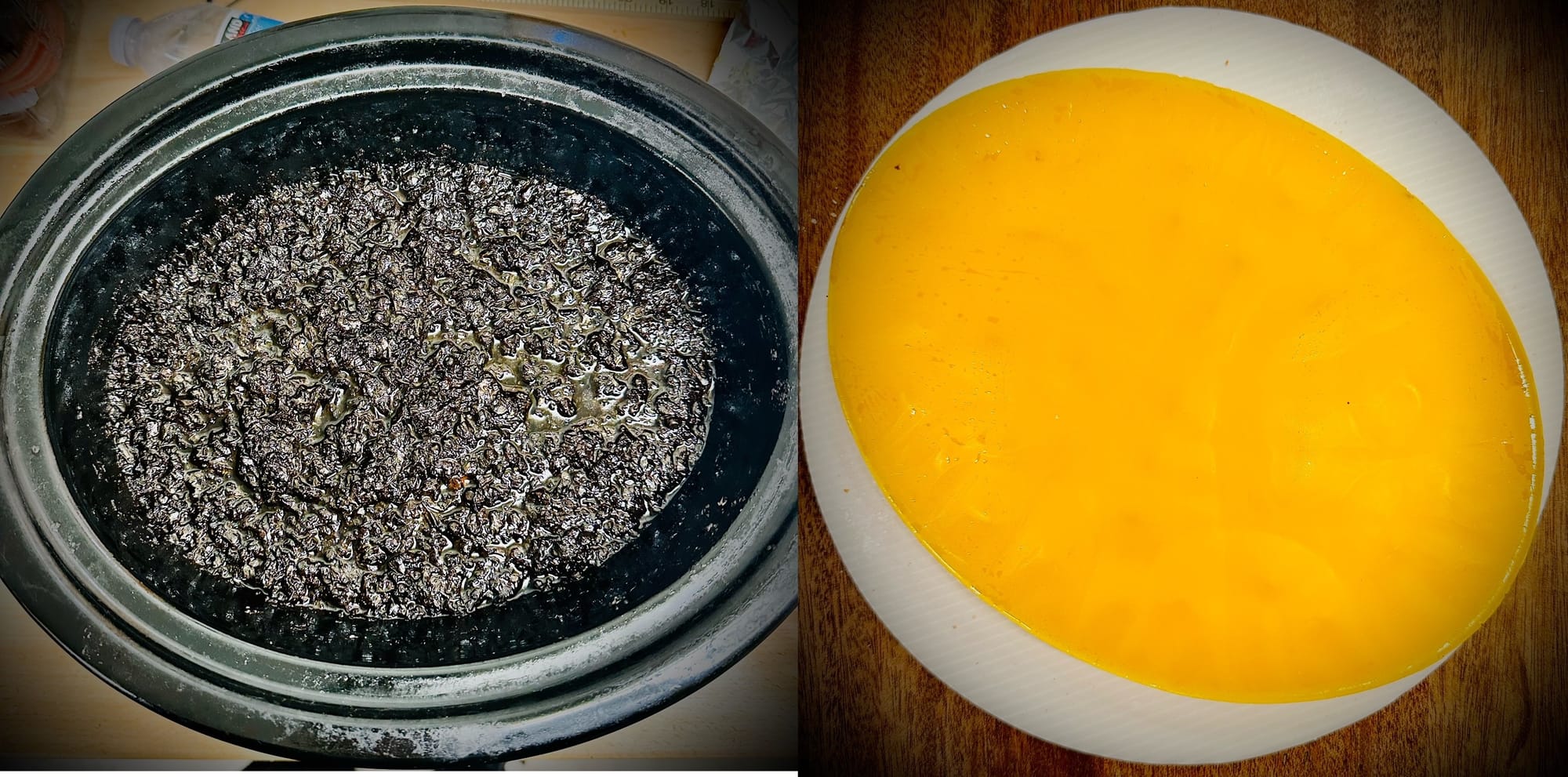
But wax is a precious commodity for a beekeeper as well. We use it for things like lip balm, soap and candles. We must not let the wax go to waste. And believe it or not, even the dirtiest wax can be redeemed. Wax that appears to be ruined can be rendered to remove all the impurities through a repeated process of heating and filtering and then letting it solidify. The clean wax rises to the top and all the impurities fall to the bottom. After several cycles, the wax is clean and ready to be used for other products of the hive. In the end, the rendered wax takes on its famous golden yellow color.
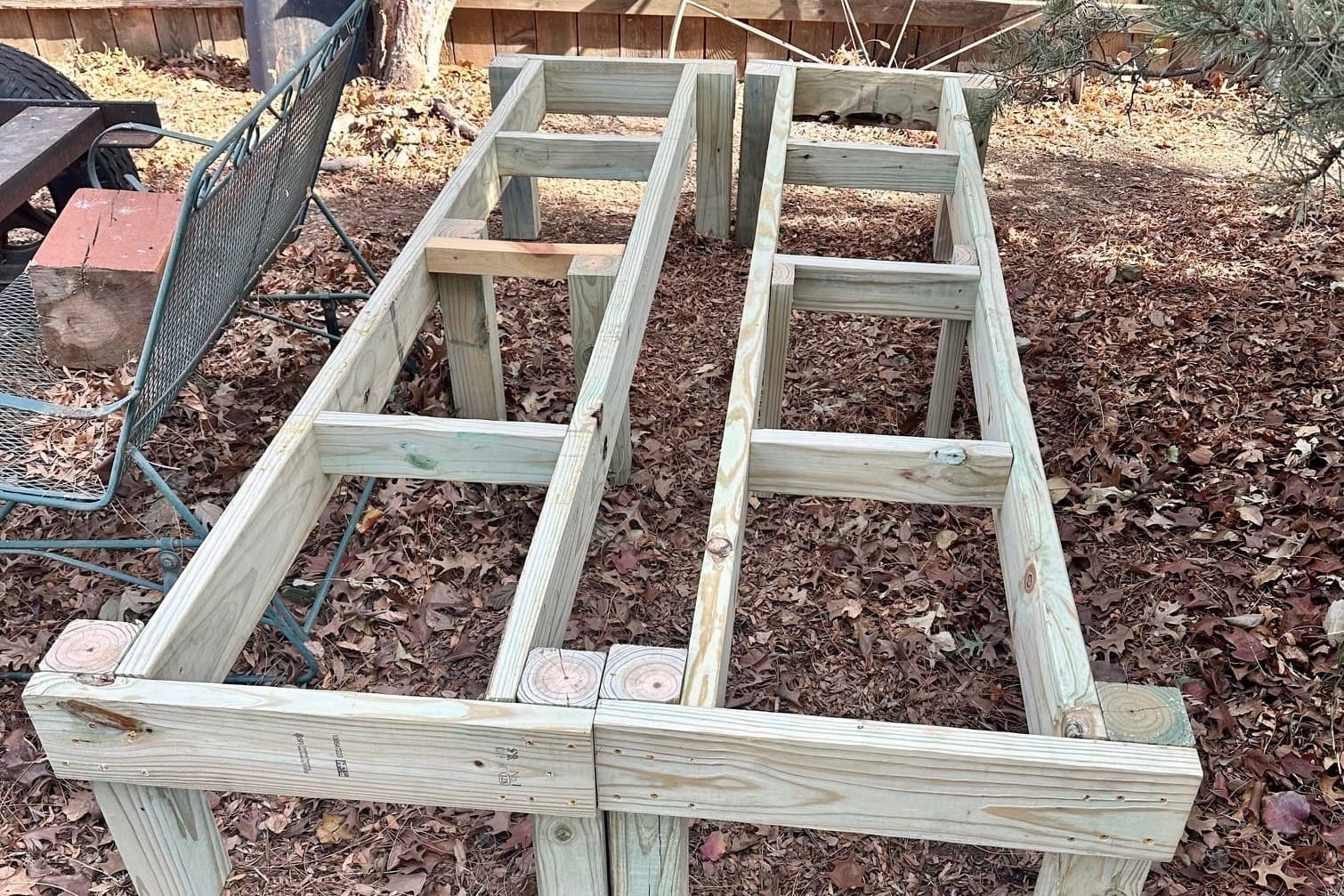
In addition to cleaning, a beekeeper must also build. This year I built more hive stands because my apiary is growing. In God's creative design, a beehive was made to reproduce. It does so by increasing the population of bees until their living quarters become too small. The hive becomes crowded and all the girls get a little cranky. When this happens, a signal is sent to the colony to find a new place to live.
The foraging bees who have been collecting nectar and pollen receive the signal and spring into action. They become scout bees and begin looking for a new home. In the meantime, the hive prepares for the exodus by building uniquely shaped cells on the bottom of a frame known as "swarm cells". These cells are used for the development of a new queen, after the old queen leaves with 60% of the hive. Thus, the natural reproductive cycle for a colony of bees.
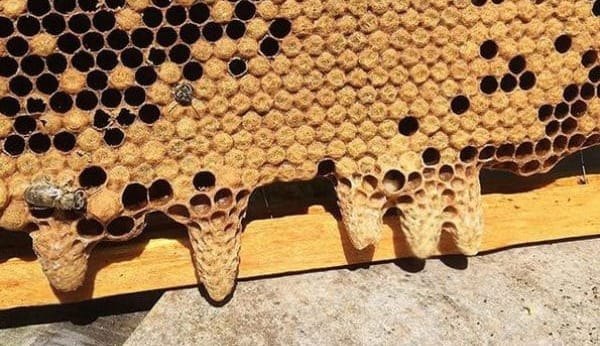
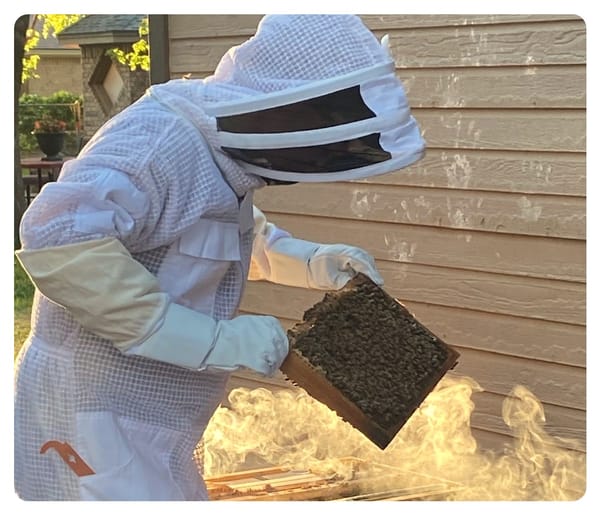
But wait a minute! I don't want my bees to leave. So as a beekeeper, my job is to keep my bees from swarming. In order for this to happen, when I see swarm cells starting to form, I beat the bees to the punch by creating a “fake swarm” known as a split. This is where I take several frames of bees from one hive and transfer them to a new hive. I give the new hive a new queen, and at the same time, I've also created room in the old hive for the colony to expand. As a result, my one hive becomes two, my two hives become four, and that’s how a beekeepers apiary will grow.
But there's only so much cleaning and building a beekeeper can do. Until the cold winter passes, all we can do is wait.