Beekeeping Highs and Lows

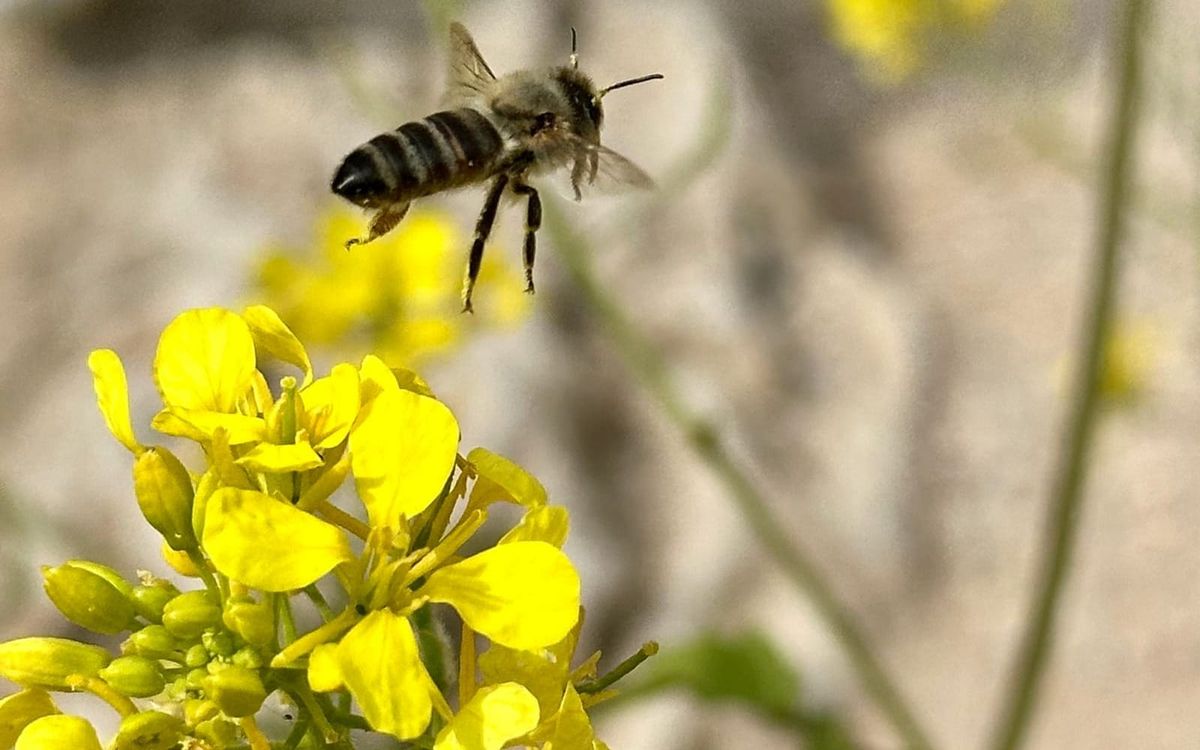
My year in beekeeping has already begun with growing pains and lessons learned along the way. Having too many hives at my home apiary, I moved 3 of my colonies to a new location about 6 miles away. A fellow beekeeper gave me permission to share some space in a beautiful section of the Blackwater Draw. I loved visiting the tranquility of her land before I expanded my apiary, so it's such an honor to manage some of my honeybee colonies in this new location. But it's not without trials along the way.
Before we left for our 2 week trip to Greece and Italy, I did all I could to give my bees what they might need in my absence. I tested for mites and treated when necessary. I gave them an extra supply of pollen and sugar water. The spring is such a busy time of year for the bees as the queen begins laying and the population increases dramatically in preparation for all the blooming flowers in the coming weeks. Needless to say, it was not the best time for me to be gone.
This proved to be true when I made my first visit after returning from our trip. When I approached the hives, I knew something wasn't right. I saw a limited number of bees moving in and out of the hives and two of the 3 colonies had an interesting doormat at their hive entrance. It was an unexpected pile of debris.
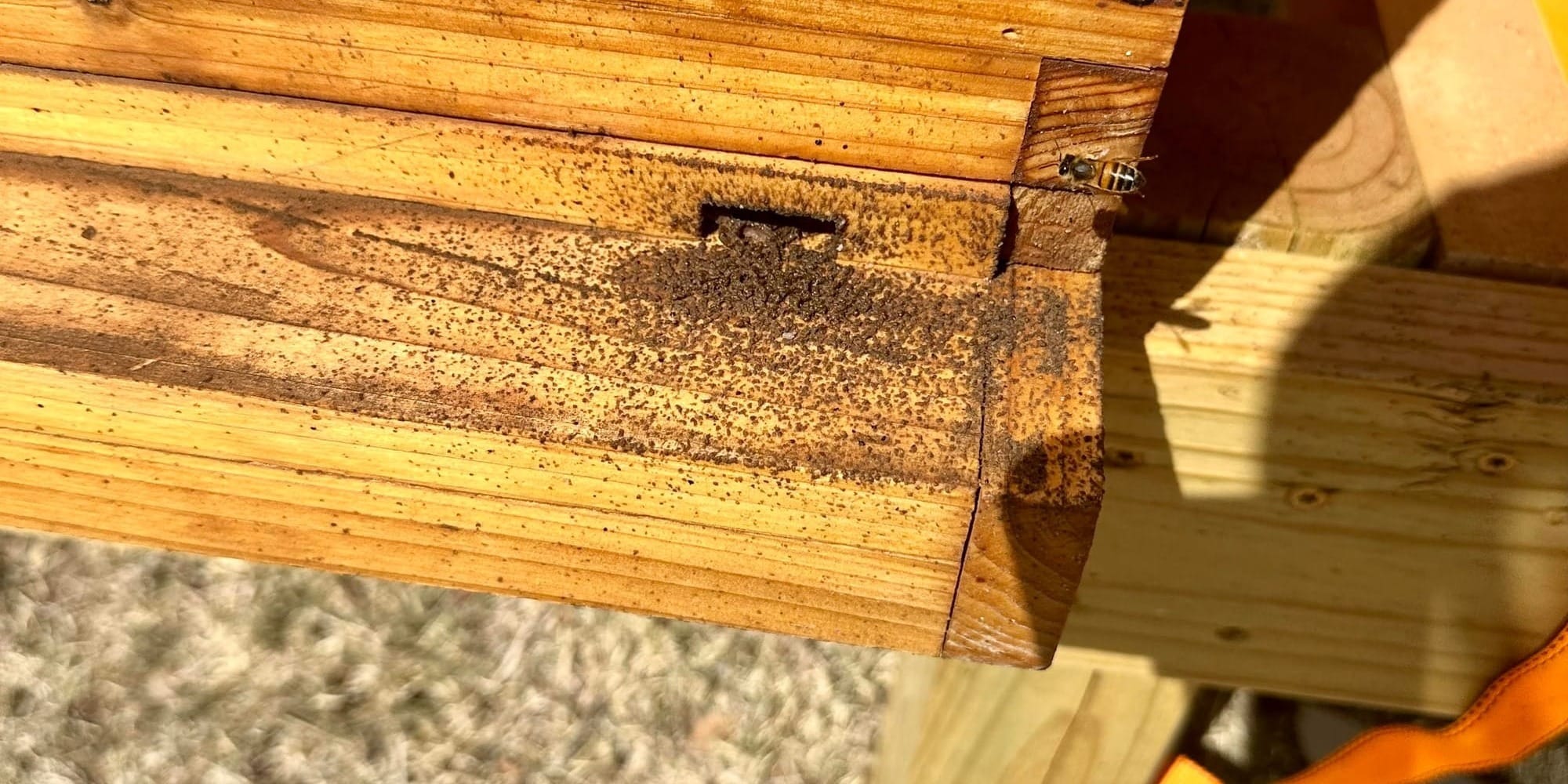
I have since learned this is an undeniable sign of a hive that is being robbed. This happens when bees from other colonies invade weaker hives to steal honey and pollen for themselves. This was occurring because 2 of my 3 hives failed to survive in my absence. To say that I was discouraged would be an understatement. The time and effort and money I pour into my bees is no small investment. So like me, you may be asking: "What happened?"
To be completely honest, I'm not certain. It appears they starved to death. But that's hard to say for sure because the hives that failed were being robbed of all their resources by the one remaining hive. I know they had plenty of pollen and honey before I left so I can't imagine them running out in just 2 weeks.
Perhaps they died from disease caused by the mites, suggesting that my treatment was either ineffective or maybe too late. Or it could have been the fluctuating weather that shifted from the 80s to subfreezing temperatures in less than 48hrs. The truth is, I don't know. Whatever the reason, it's heartbreaking.
But on the other side of something sad, was an unexpected blessing. Before we left for our trip, I received a call from someone who lives near the church where I work. He said he had some bees recently move into an irrigation box and wanted to know what to do. Since we were leaving in a matter of days, I encouraged him to complete a request on the local beekeeper website and someone would be in touch with him to remove them. However, after we returned from our trip, he reached out again and informed me that no one followed up with his request. As it turns out, this was an unexpected blessing for me.
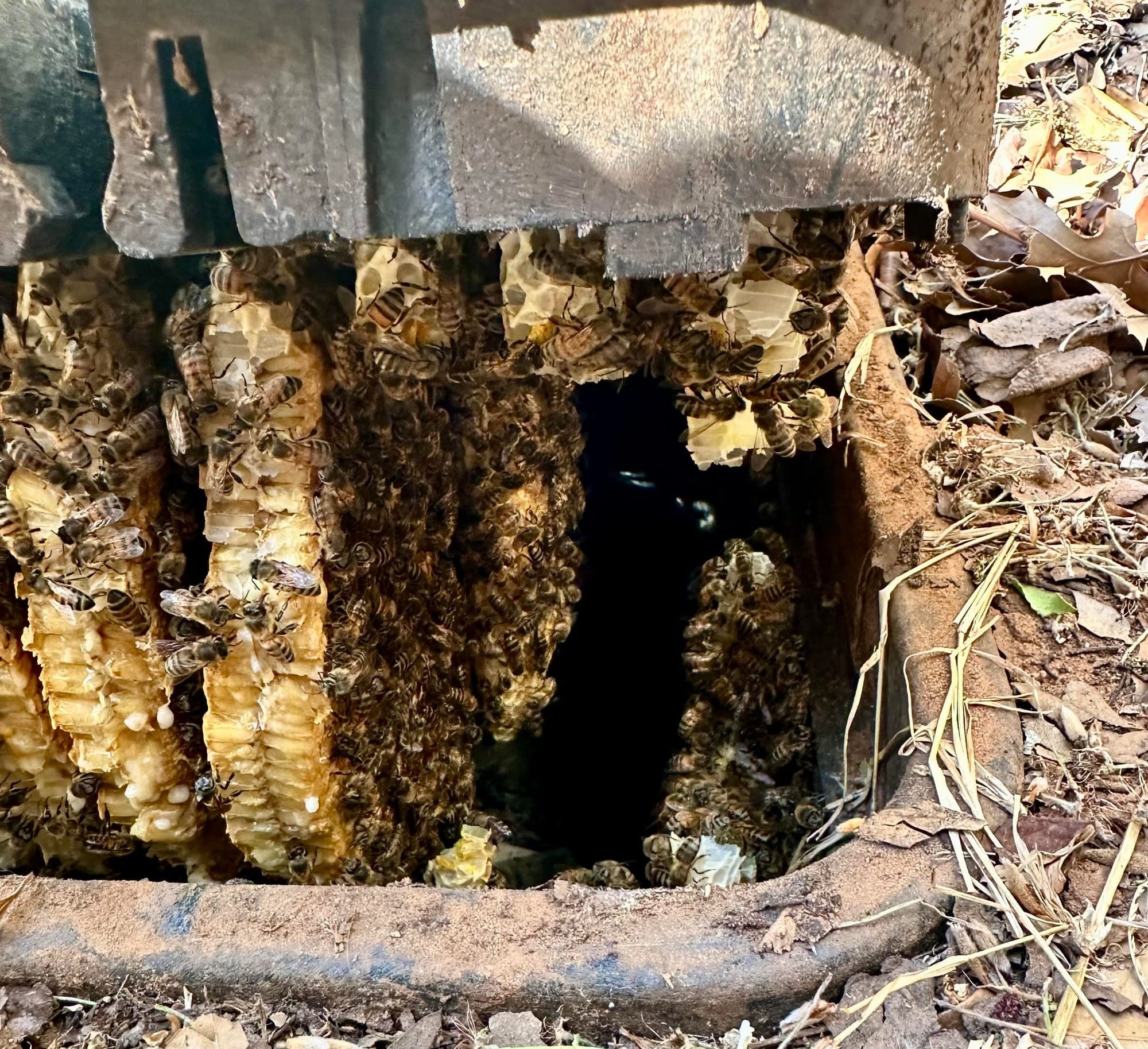
The irrigation box was in his alley so I went by to see what it might take to remove them. When I lifted the lid, I immediately determined these bees did not just arrive. This box had been their home for a while. So I made plans to return with all my equipment.
As I was preparing for the removal, I could hear the sweet conversation of children playing in the backyard on the opposite side of the alley. They were hidden behind the protection of a tall privacy fence and I just didn't feel comfortable stirring up a beehive knowing they were there. So I took a risk, stood on a platform, and peeked over the fence.
My first thought was: "This backyard looks familiar. The kids... they look familiar too. Oh wait, this is a family from our church!" And there is their mom, looking through the window wondering why her pastor is in a bee suit peeking over their fence. Let's just say, it was a slightly awkward moment. But I quickly explained my presence and my concern for the safety of the kids.
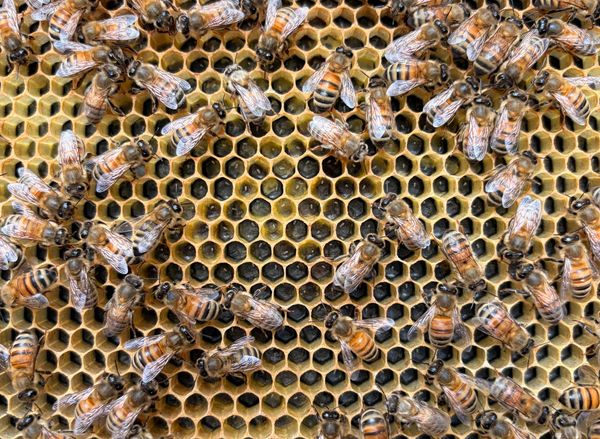
Once they were safely inside their home, I began my work on the removal. I placed one of my hive boxes near me as I removed the lid from the box. The honeycomb was adhered to the underside of the lid and all the bees were covering the brood. I looked diligently for the queen, but she was nowhere to be found. However, I knew she was active when I observed the presence of eggs and larvae in the honeycomb. So I took each piece of comb, shook the bees off in the new hive box and then placed the comb into a frame. Once complete, I left their new home in place for the day knowing that if the queen was inside, all the bees would eventually make their way inside. And much to my delight, when I returned after dark, all the bees were safely inside.
So even though I lost 2 of my hives, I have now gained one back. And hopefully, as the spring continues, there will be more swarms and removals to come. It was a good reminder for me not to get lost in the disappointment of failure. It just may present an opportunity for an unexpected blessing yet to come.