Doing Splits


Let's play a math game! Since my wife is a math teacher, this will make her very proud. But also a little nervous, because I'm not very good at math. But let's play anyway!
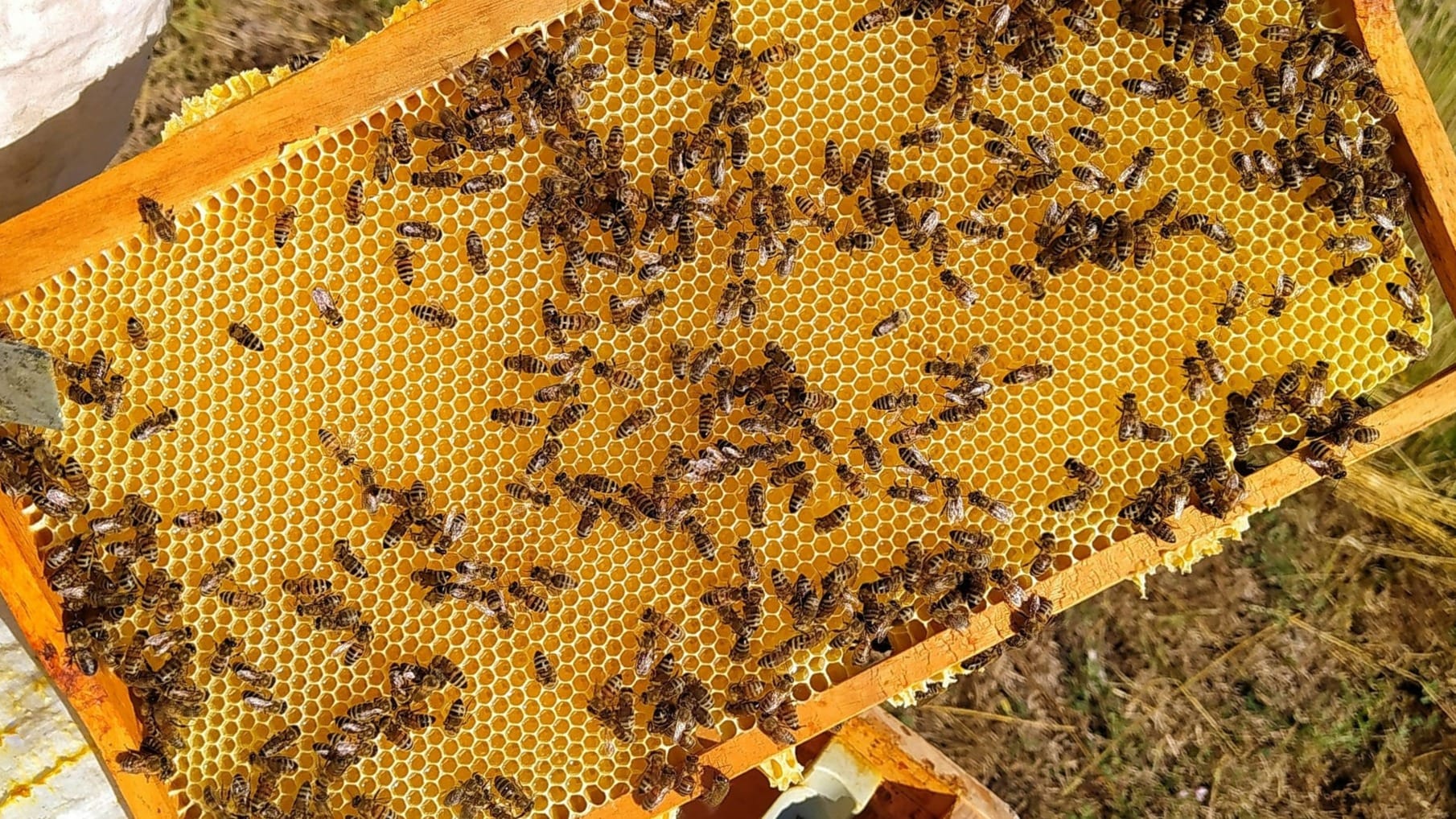
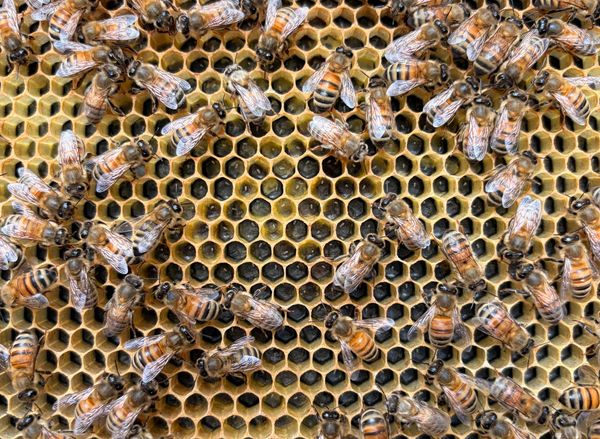
When a honeybee builds comb on a Langstroth deep frame, typically used by beekeepers, they create approximately 6800 individual cells for each frame. During spring, a queen bee can lay up to 2000 eggs a day. That means she will fill up a Langstroth frame in less than 4 days. Since a deep box usually has around 6 frames of brood, the queen will run out of space in just 2 weeks. Not to mention the 40,800 new bees that are born!
All that goes to say, spring is a beekeepers busiest time of year. Because if a colony is not properly managed, the population growth will increase so rapidly, the bees will overpopulate their hive. And when that happens, they swarm!
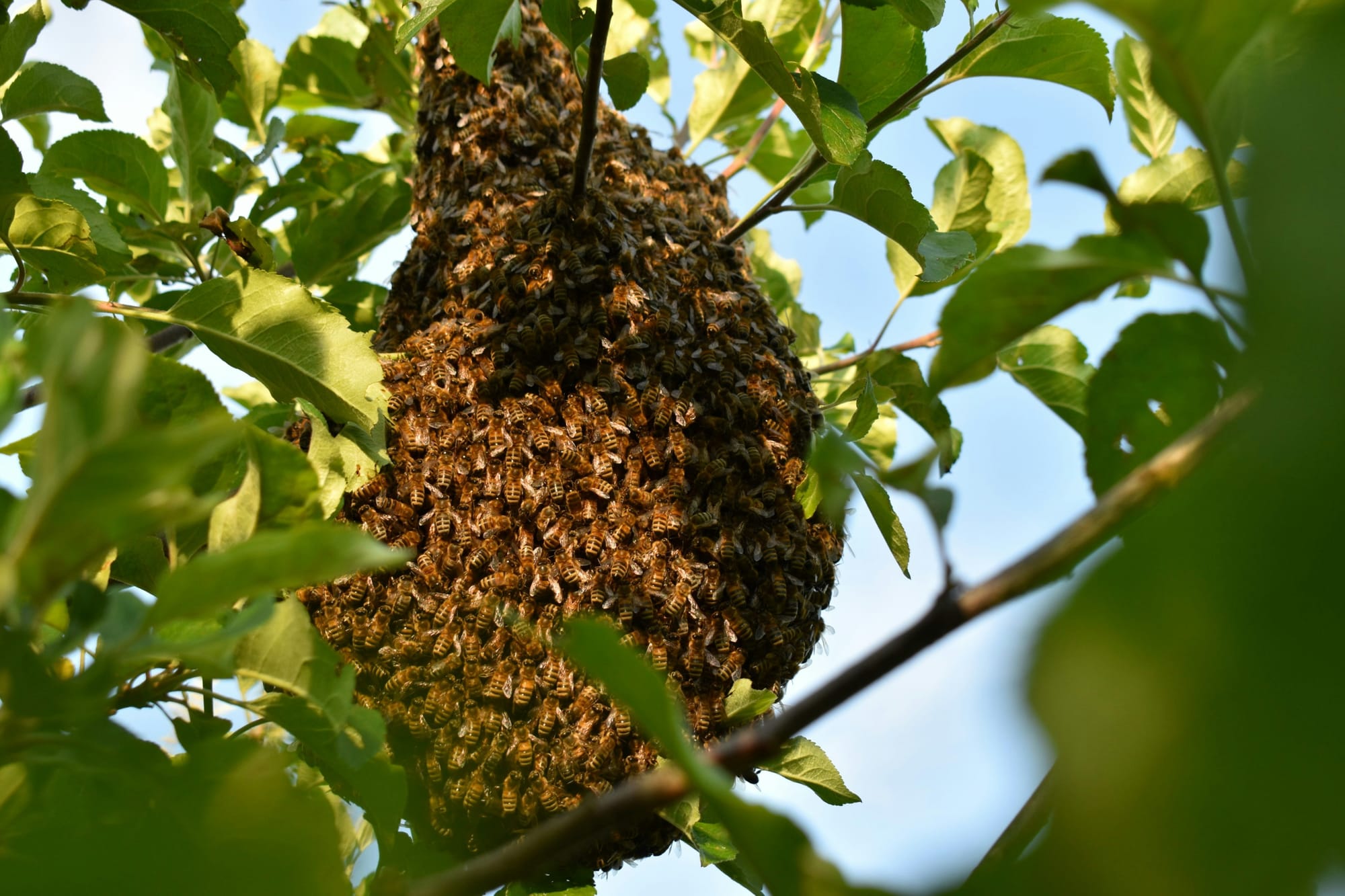
But let's not be too critical of the bees. In fact, this is the way God made them. Swarming is a part of a honeybee's natural reproductive cycle. And everyone in the colony understands this process. In fact, before a swarm actually takes place, the entire colony prepares for the departure by creating swarm cells in order to produce a new queen. In the meantime, the existing queen's retinue (attendants) will stop feeding her and will literally chase her around in order for her to lose weight. Because a normal well-fed queen struggles to get airborne.
Before the new queen emerges, 60% of the hive will join the existing queen and leave the hive. They will form a tight cluster of bees to protect the queen as they attach to a structure like a tree limb, mailbox or piece of lumber. Meanwhile, 200-300 scout bees feverishly look for a new home. They collect detailed information about the potential new location. After returning to the swarm cluster, the scout bee will do a waggle dance to relay the details she collected. The swarm will respond with a vibration to cast their vote. Each scout bee follows the same procedure until 100% of the bees agree on their new location. This is what is known as honeybee democracy. And yes... its a real thing!
Meanwhile, back in the original hive, a new virgin queen will emerge. If more than one queen emerges, they will fight to the death until only one remains. The reigning queen will leave the hive for her mating flight and then return with all the sperm and eggs she will need to lay for the rest of her life.
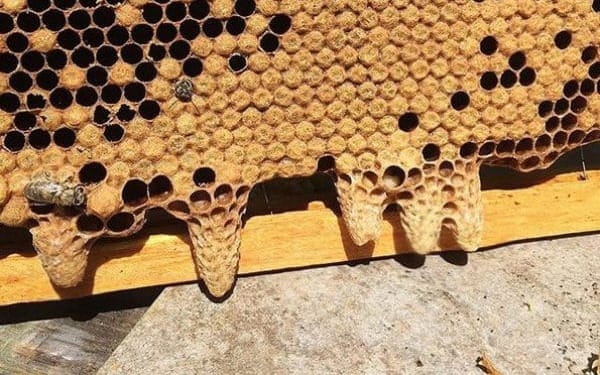
God's handiwork in creation is always amazing! But as a beekeeper, we don't want to lose 60% of our bees every year. Therefore, we do what is known as a "split". You might consider it like a fake swarm. Because once we can see the colony is starting to outgrow their space or we notice the evidence of swarm cells, we understand it's time to act fast.
But like the bees, this is something we plan for well in advance. We always have an extra hive ready to go. We order a new mated queen for the new hive and then we make our split. We do this by taking 5 frames of brood, food and bees from the original hive. We place them in a new hive box with a new queen. Now, instead of swarming to some unknown location, we have used the honeybee's natural reproductive cycle to our advantage to increase the size of our apiary. This year, I went from 5 hives to 7 hives after making my splits.
So next time you see a swarm of bees, know that it is not a chaotic rebellion of bees. It is, in fact, a unified sacrifice for the common good. They leave the comfort of their climate-controlled home to face an unending list of dangers. But they do it together. In fact, their survival is wholly dependent on their unity. They simply cannot survive on their own. And the truth is, neither can we!
Like the honeybee, our survival as the body of Christ is based on our unity. God made it clear in His creative design.
Then the Lord God said, “It is not good for man to be alone...” (Gen 2:18a)
We were created from the undivided fellowship of the Trinity in order to live in the life-giving unity of the church. And yes, our survival depends on it. As Jesus reminds us:
If a kingdom is divided against itself, that kingdom cannot stand. If a house is divided against itself, that house will not be able to stand. (Mk 3:24–25)
So like the honeybee, may we protect our unity in a bond of peace. Sacrificing our personal preferences for the common good. Despite all our differences, may we cluster close to the hope of the gospel. Knowing that one day we will all unite in our eternal home, where we will dwell in the house of the Lord together, forever!