Learning the Language of Bees

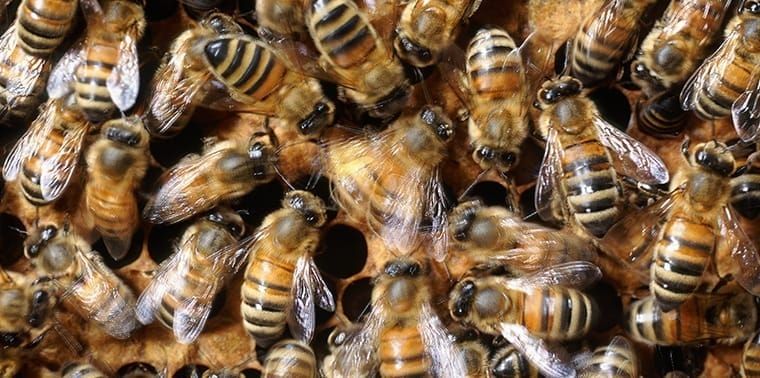
Did you know bees can talk? Sure they can! In far more fascinating ways than you might ever imagine. It was Karl Von Frisch, in the early 1900s, who first recognized one of the honey bee's most famous techniques know as "the waggle dance." I have actually witnessed this numerous times when inspecting my hives and it relays information to me as well.
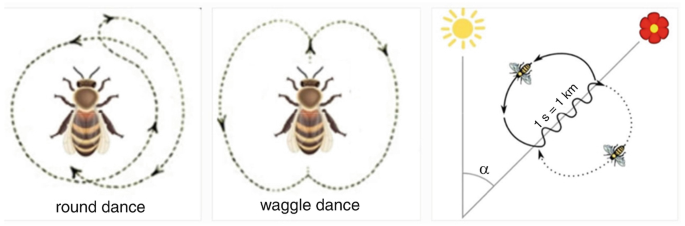
For example, if I see a bee doing the waggle dance in a circle, known as the "round dance", I know they are finding resources, like pollen and nectar in relative close range to the hive. Usually between 50 and 75 yards away. If they are doing their waggle dance in a figure eight, that's when I get lost in translation. Because this is a far more complicated form of communication. In this case, the angle of the waggle, relative to gravity, corresponds to the angle of the resource relative to the current position of the sun. So when the bees leave the hive, they know exactly which direction to fly. The duration of the waggle is proportional to the total distance to the resource. Which means, a longer waggle represents a farther distance. But that's not all! The vigor of and number of repetitions in the dance indicates the quality of the resource. Therefore, a higher quality source elicits a more enthusiastic and prolonged dance. The bees understand the direction, the distance and the quality of resources, all from a dance.
And if that's not amazing enough, consider the fact that everything I just described happens in complete darkness as bees are hanging upside down on the comb inside their hive! So these intricate messages go beyond what they can see. Instead, the signals are received based on what they feel.
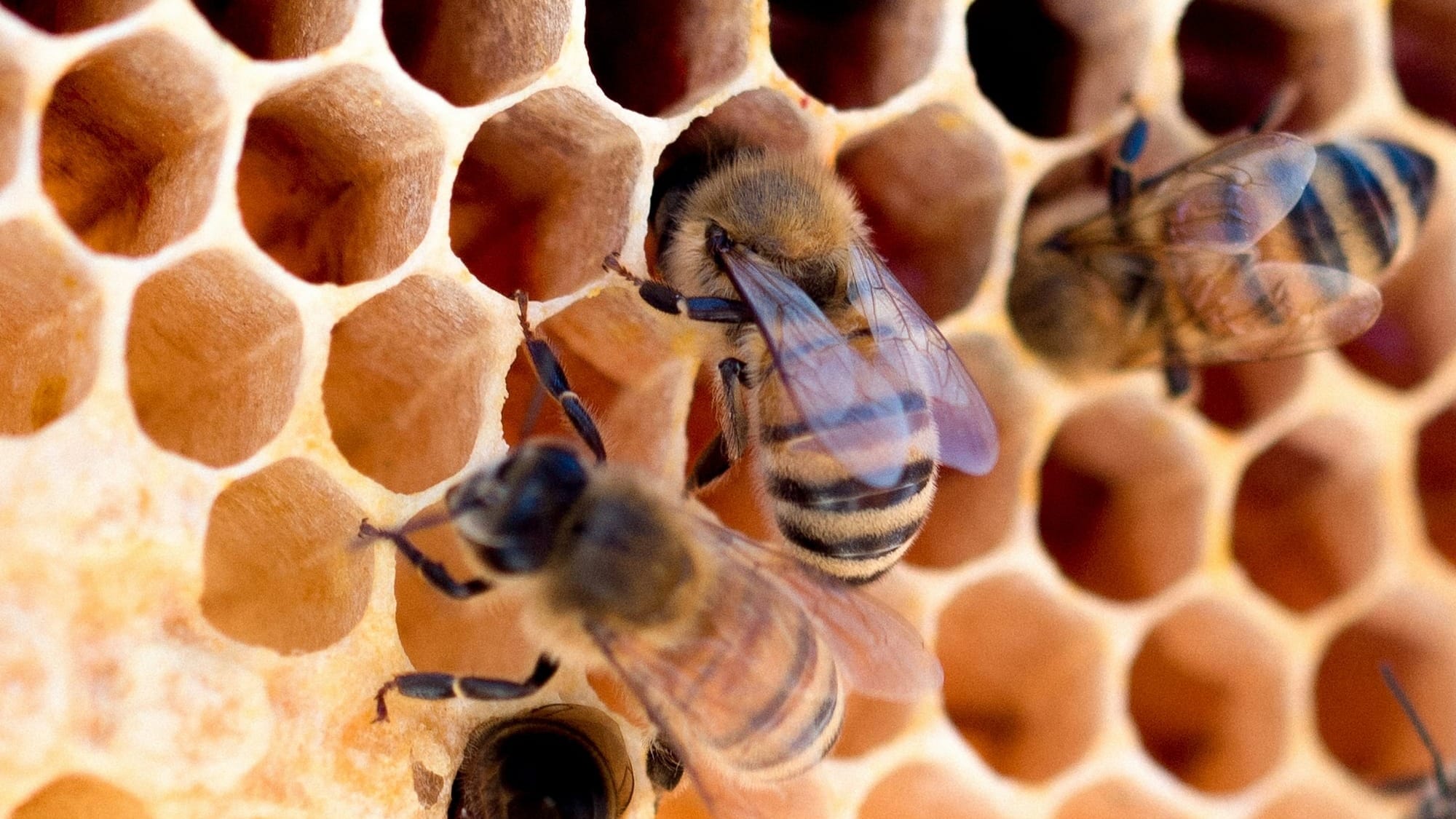
In the hive, the dancer attracts all kinds of attention. Other foraging bees move to the source of vibration broadcast through the hive along the comb like a massive transmission wire. As they draw in close, the bees use their antennae to not only assist in receiving the signals but they can also pick up smells as well. So if the dancing bee has visited the blossoms of a cherry tree, the other bees can pick up the smell to better locate the resource in flight. Isn't God's creative design amazing!
Like I said, I can't interpret all of these signals, but I am learning the language of the bees. Each time I open the hive they tell me something. If they are moving slow and calm, they are saying: "All is well." If I am slow and gentle, the bees will pay no attention to me as I inspect the hive. And to be honest, when I see this kind of demeanor, I know I don't need to spend a lot of time. Because the bees are telling me: "We are happy and we have all we need." And in my experience, this is the natural behavior of a honey bee.
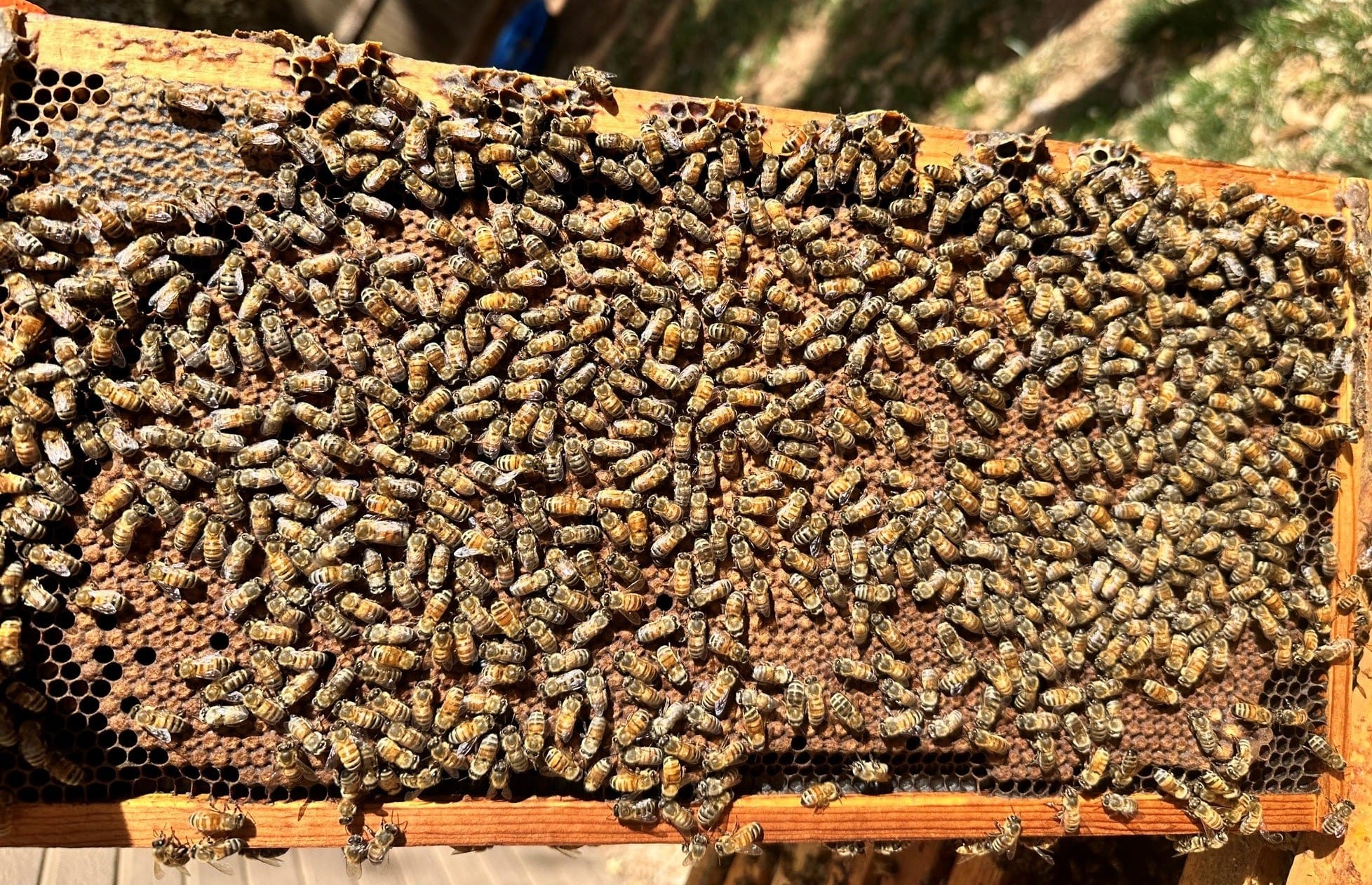
At other times, however, the bees are not so friendly. It doesn't take long after I open the hive for the guard bees to greet me at my face. Believe it or not, bees can actually recognize me by storing my image in their tiny little brain. They can also pick up on my pheromone (smell) and they know who I am. However gentle I may try to be, I am still a disturbance to their daily operations. But instead of panic in response to their irritation, I am learning to listen. Because the bees are trying to tell me something about what is going on in their hive. If they are agitated, there is usually a very good reason.
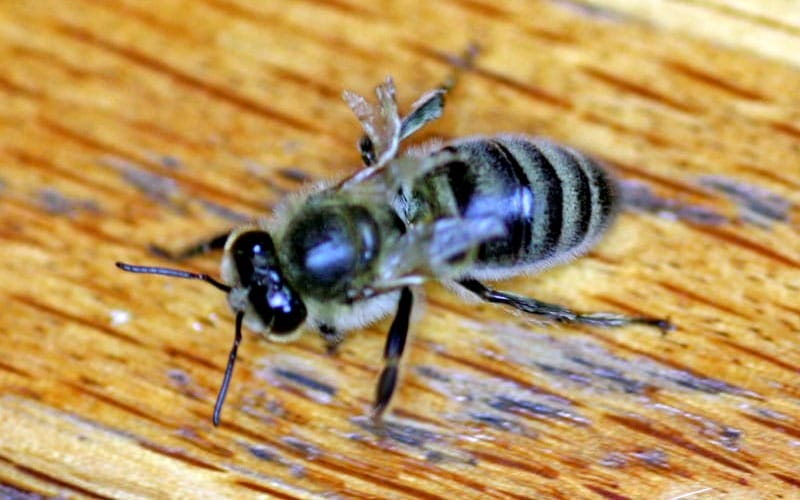
At times, the bees are telling me that parasitic mites, which are always present in the hive, have become elevated to unhealthy thresholds. As a result, the mites transmit viruses that make honey bees sick. And I don't know about you, but when I get sick, I get cranky. And so do the bees!
At other times they are telling me something is wrong with the queen. They are agitated because the survival of the hive is at risk and they need to get my attention. Just this past week, I was inspecting a normally calm hive that was unusually agitated. At first glance, everything seemed fine. There was a healthy population of bees and I could see plenty of brood, telling me the queen has been active. I shut up the hive and called it a day.
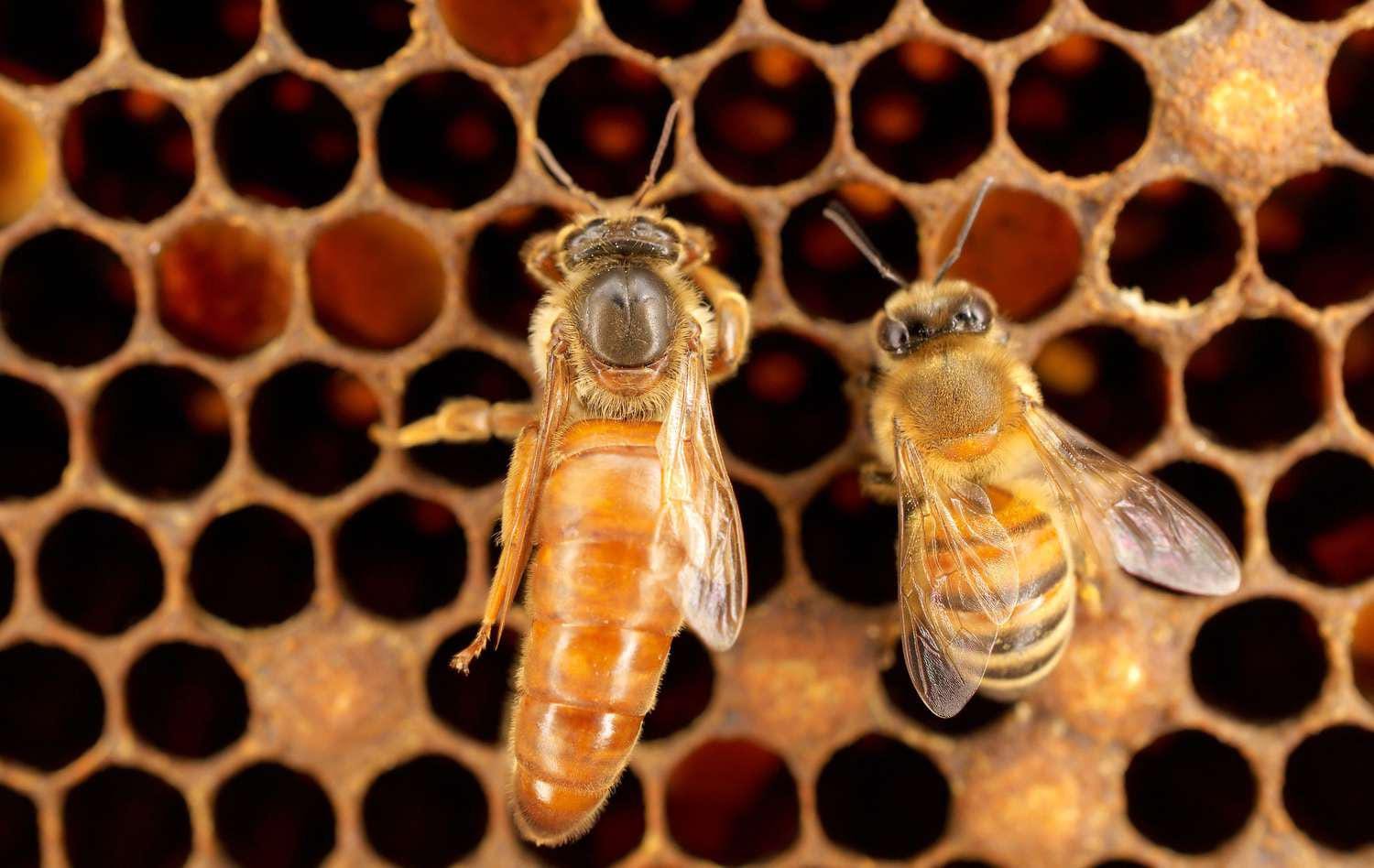
But I couldn't quit thinking about the demeanor of the bees. They followed me all the way to my truck and simply would not leave me alone. Why were they so irritated? Out of concern, I went back to the hive to take a closer look. Upon inspection, I found plenty of brood, but noticed there were no eggs and larvae. That told me something was wrong with the queen. In that moment, that's when I realized what the bees were trying to say. Upon further inspection, I found this hive to be queenless. Which means the colony is on life support unless I act fast and introduce a new queen. No wonder they wanted to get my attention!
So the longer I keep bees, the more I am learning their language. I will never be fluent because their communication is far more advanced than I could possibly understand. However, I'm learning that their disposition is a display of something deeper.
And as a pastor, I am learning the same is true for people. After all, when people come to me and they are angry, or quiet, or sometimes short and dismissive, I know there is something more going on. There's something underneath the surface that is being masked by their emotion, just like the bees.
So instead of being irritated or offended, I'm learning to ask questions. Instead of filling the awkward space with my words, I want to hear what they have to say. And most importantly, I try not to match their emotion. Because that only makes it worse. Both with bees and with people. As James reminds us:
“My dear brothers and sisters, take note of this: Everyone should be quick to listen, slow to speak and slow to become angry,” (James 1:19, NIV)
So let me encourage you to consider this truth in your relationships as well. Because when people are angry or quiet or dismissive, their emotions are usually a sign of something deeper. And so instead of being offended or defensive, be willing to listen. Much like the bees, their disposition is a display of something deeper.
When we really care about people, we seek to respond to strong emotion with deep compassion. We want to create a safe place for people to share what's really going on. Seeking to better understand in order to better care for those we love.