Beekeeping Is An Adventure

I want to invite you to go on an adventure... and here's what you can expect. The path will always be straight. There will be no unexpected turns or even the slightest undulation. There will be no change in elevation and the scenery will be consistent and predictable from beginning to end. The pace will be slow and easy and there will be no risk or danger along the way. It's not exactly a walk in the park... but its close.
Now, I don't know about you, but that doesn't sound like an adventure at all. Because any adventure I've ever experienced is far from predictable. In fact, the mystery is what makes it exciting. The challenge of entering the unknown where everything feels new and challenges abound. That's an adventure! Which sounds a lot like beekeeping to me!
This season has certainly been filled with challenges. The long drought in the spring, followed by rains that came with 100 degree weather, really set back the production of the colonies. Last year in June, I was harvesting buckets of honey from my hives. This year they were barely getting started. Last year I didn't lose a single queen bee. This year I lost three and had an entire hive abscond (leave for no apparent reason). So yes, it has been an adventure!
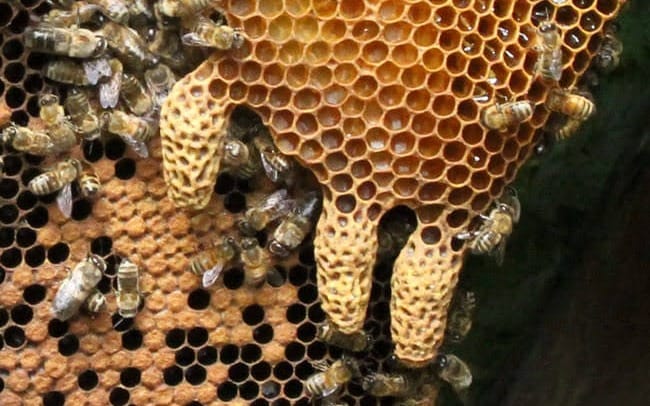
Which means I've had to get creative and try a few new things along the way. For example, the queens I lost happened within a few weeks from each other in the heat of summer. Having spent my limit on purchasing new queens, I decided to help my colonies raise their own queen. In order for this to happen, the colony must have an egg that they can build a queen cell around. These queen cells look like a small peanut protruding from the center of a frame. If the egg, which would normally develop into a worker bee, is fed a strict diet of pure royal jelly in her oversized home, she will develop into a queen. Same egg, different outcome. One way I've heard it explained is that a worker is an underfed queen and a queen is an overfed worker.
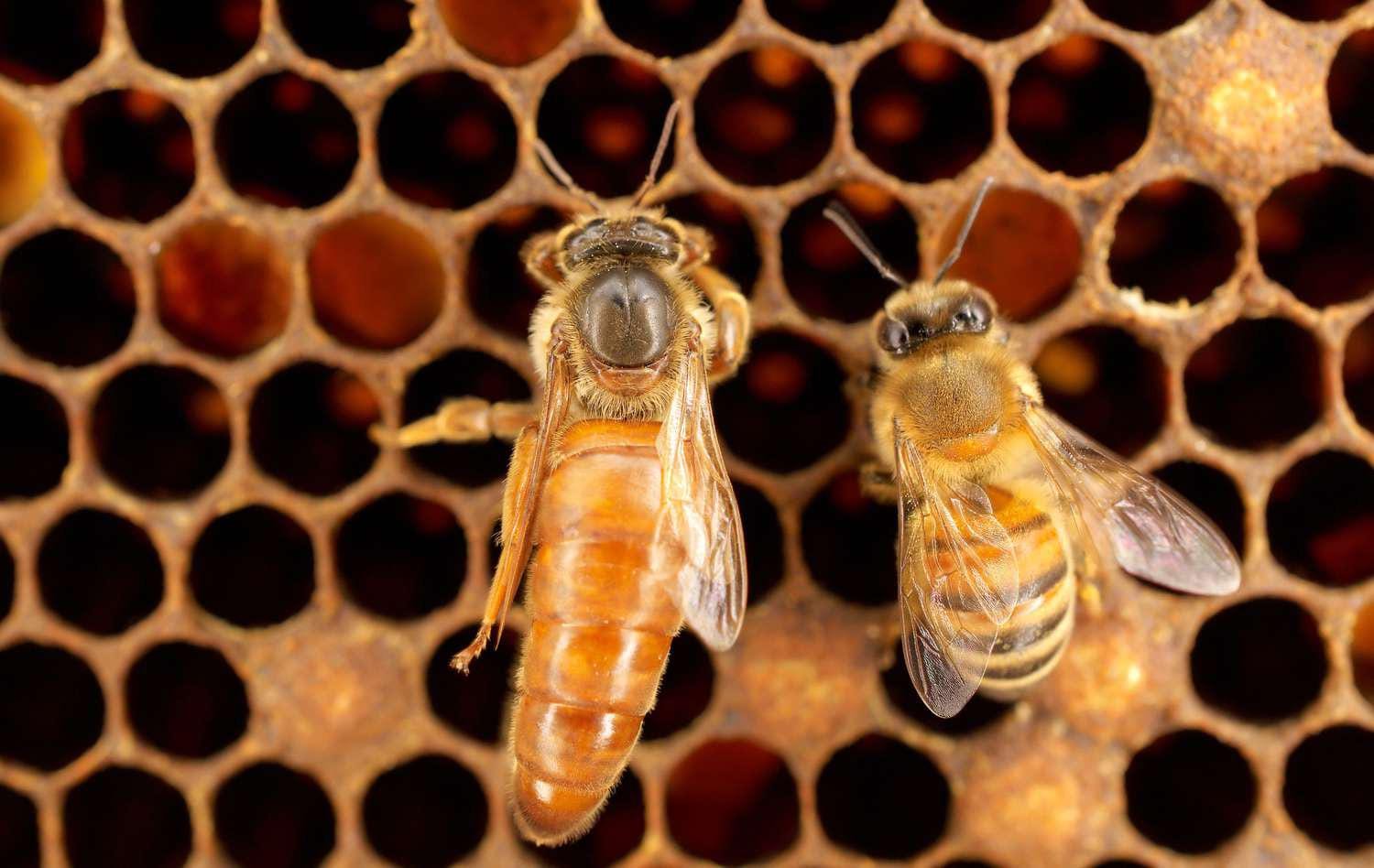
The best case scenario is for a colony of bees to recognize the problem on their own. If the queen has been injured or is not doing well, the colony will preemptively prepare by raising a new queen. But once the queen is born, she must go on an adventure of her own, leaving the hive to mate with 10-15 male bees known as drones. Her chance of survival on this mating flight is around 60%. So the odds are not great and a lot of things must fall into place for this to be a success.
But remember, I said that is the best case scenario. Because this year one of my hives lost their queen suddenly so they had no eggs to raise a new one. Therefore, I had to take eggs from a different hive and give it to the colony who had no queen. The bees had to recognize the eggs I introduced and make it happen quickly. Much to my surprise, they did it. So of the 3 queenless hives, two have successfully made their own queen.
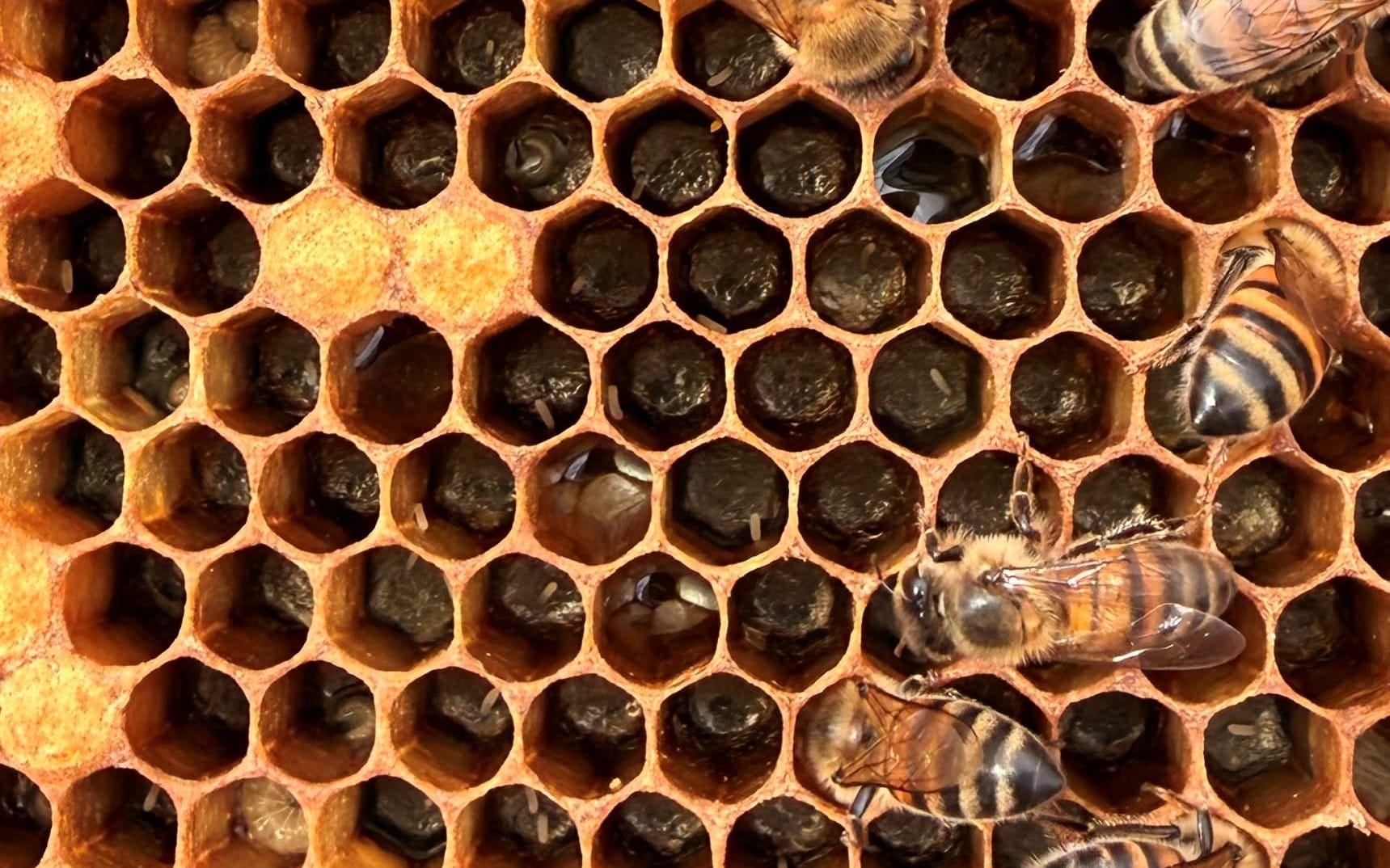
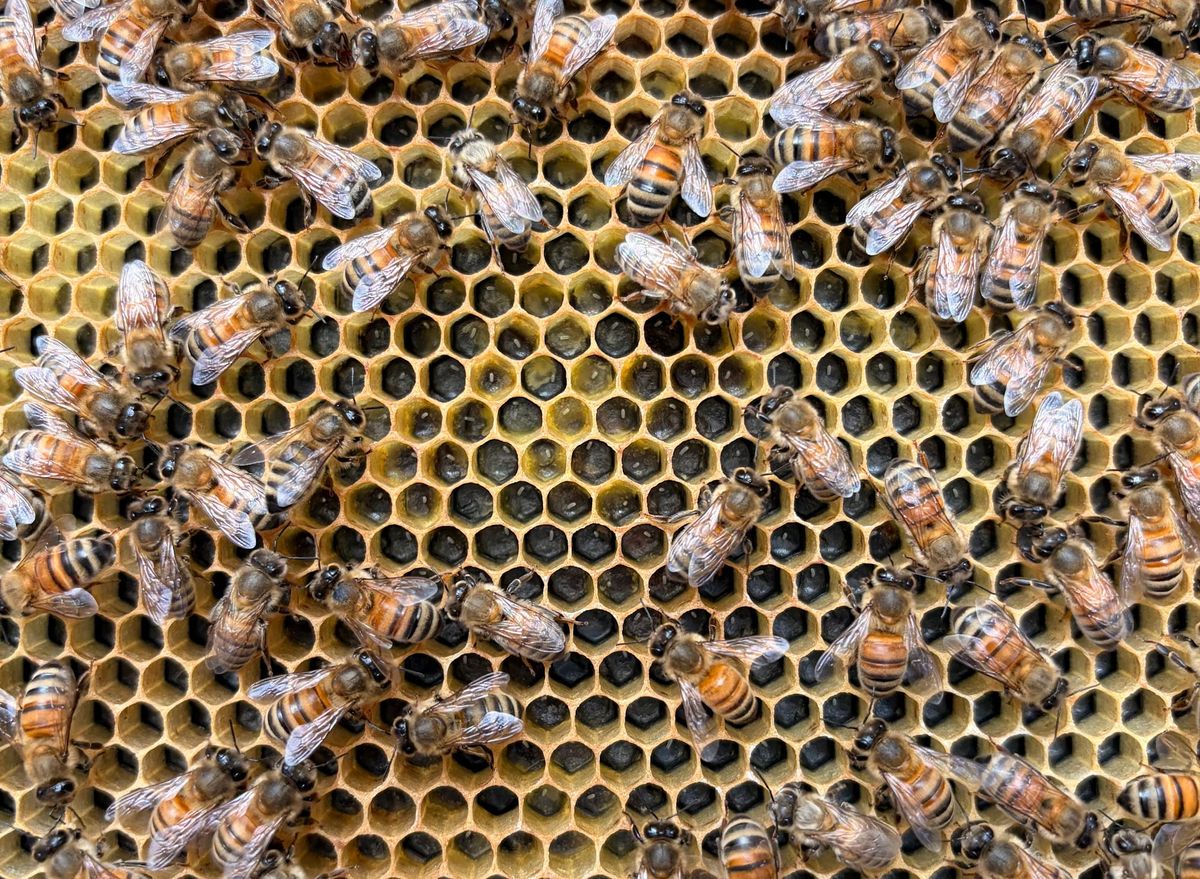
But my third hive was the biggest challenge of all. Becasue this hive had what is called a "laying worker." Sometimes this happens when a colony loses a queen and one of the workers starts laying eggs. That's right, a worker bee can lay eggs, but all her eggs are unfertilized. So all she can produce is drone bees and eventually the colony will perish. But the problem is that a colony with a laying worker thinks they have a queen. I knew this was the case when I inspected the hive and saw cells with multiple eggs or eggs stuck to the side of the cell. Those are signs of a laying worker and it presents a unique challenge for a beekeeper. Because the colony thinks they have a queen. Therefore, they will not raise a new one and they will often kill any new queen introduced to the hive.
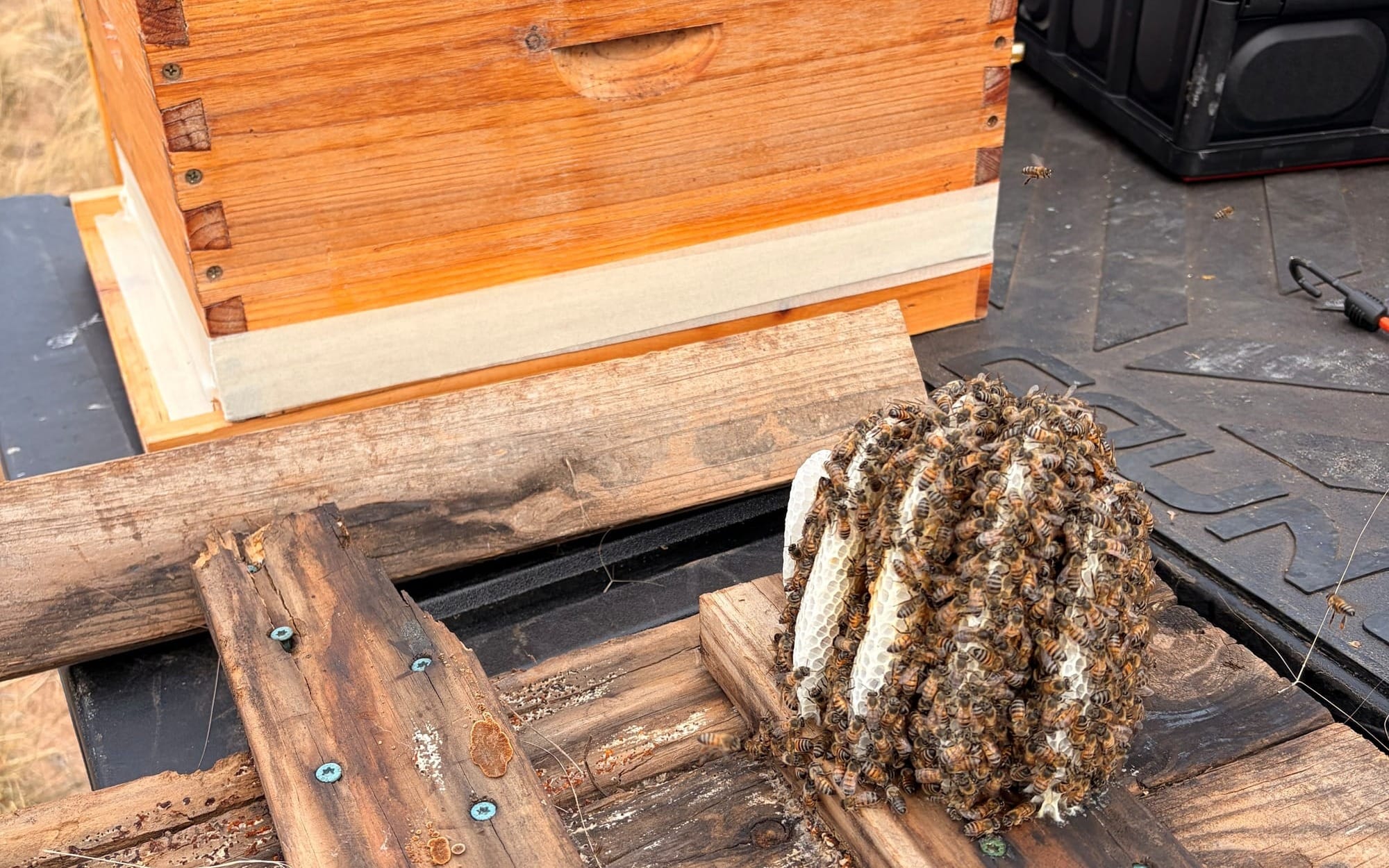
This was a curve in my path I didn't see coming. But beekeeping is an adventure, so I was up for the challenge. Knowing the laying worker hive would not survive, I took the opportunity to rescue a colony from an irrigation well. I put this rescued colony in a hive box and placed it on top of my laying worker hive. In between, I put a double screen board. This keeps the bees separated to allow the bottom hive to smell the pheromone of the new queen without being able to get to her. In time, this pheromone will cause the worker to stop laying and then I can merge these two hives. This project is a work in progress, but so far, so good!
What I've found is that these new challenges are making me a better beekeeper. With my wife's encouragment when I feel like a failure, I've decided to be creative and try something new. It turns out that adventures in beekeeping is how you learn and grow. And I believe it is true in life as well. In the Bible it says:
“Consider it all joy, my brethren, when you encounter various trials, knowing that the testing of your faith produces endurance. And let endurance have its perfect result, so that you may be perfect and complete, lacking in nothing.” (James 1:2–4, NASB95)
I know it doesn't feel like it at the time, but the trials we face are like an adventure. They are filled with uncertainty and frought with danger. But when we persevere, the expeience, however challenging it may be, can strengthen our faith. After all, an easy and comfortable life is not what builds our character. It's the trials we face in this adventure of life where we learn and grow the most.