Honey Harvest

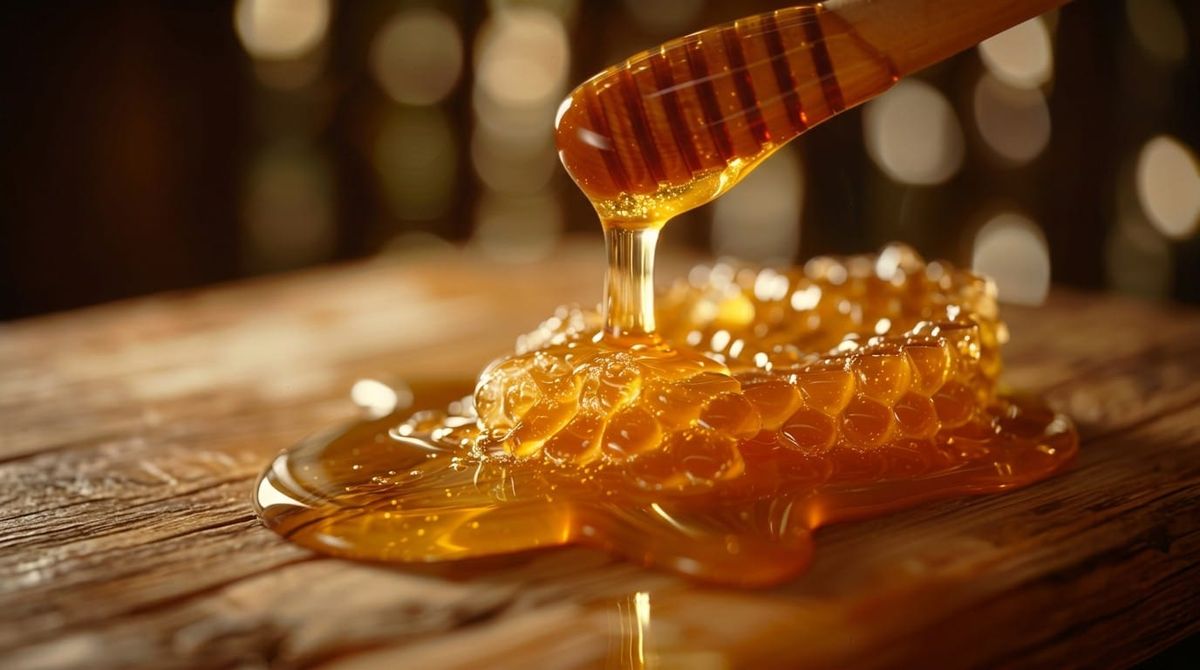
It's harvest time... time... time! And no, that's not a silly attempt to create interest. That actually describes the harvest this year. As most beekeepers in our area will tell you, this has been a challenging year. The honey harvest is late and is happening in spits and sputters. Primarily because the bees have been in a fight for survival.
The spring drought limited the amout of resources for the foraging bees. Most days they come home empty. Meanwhile, the population of the hive was increasing exponentially. More bees and less resources... that's not a good combination. But then in early summer, we finally received some rain. Which was certainly a welcome blessing, but it also coincided with 100 degree temperatures. So now the foraging bees had to divide and conquer. Some of them went to find resources, like pollen and nectar, to feed the colony. While others went to find water to cool the hive.
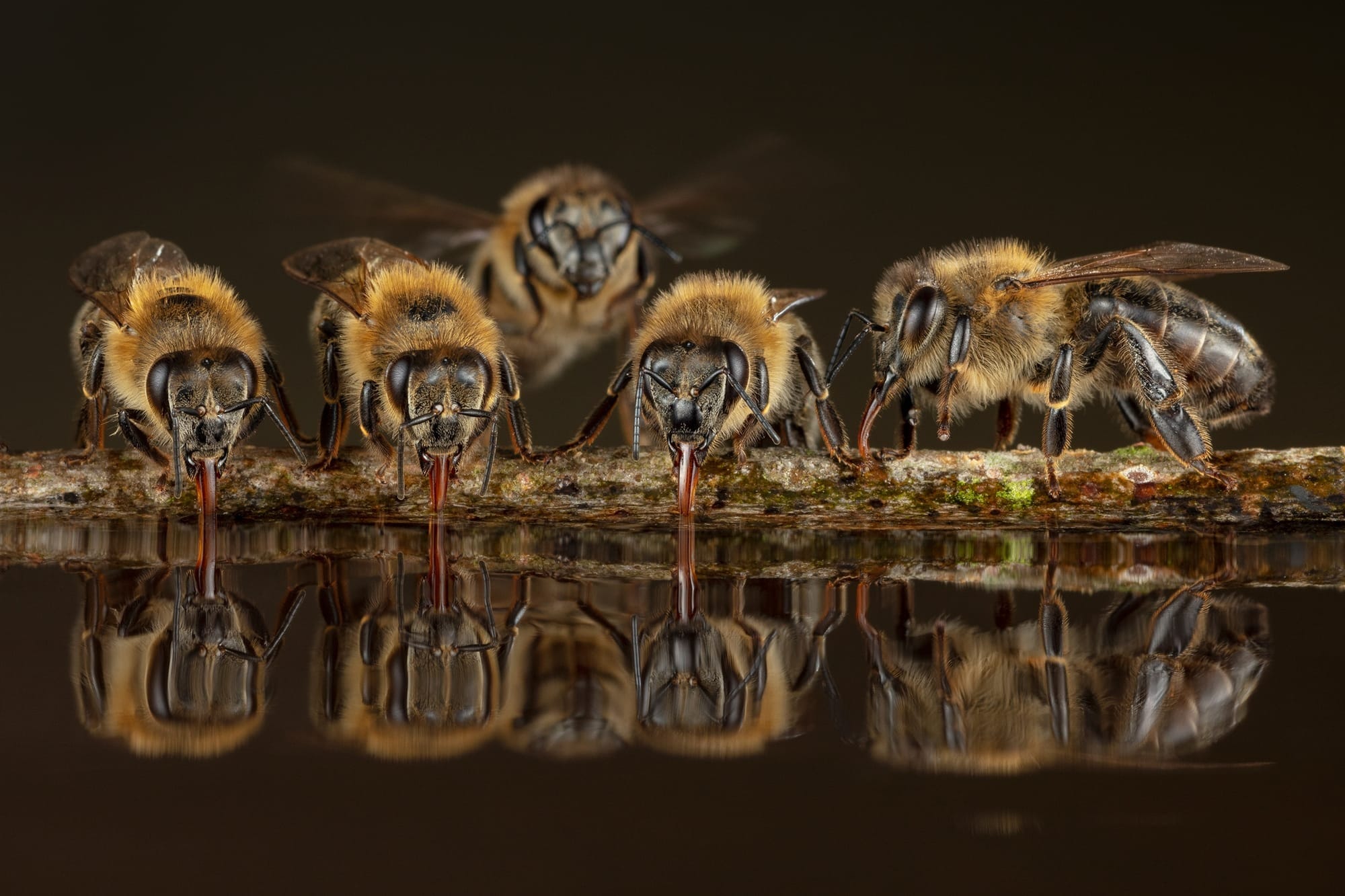
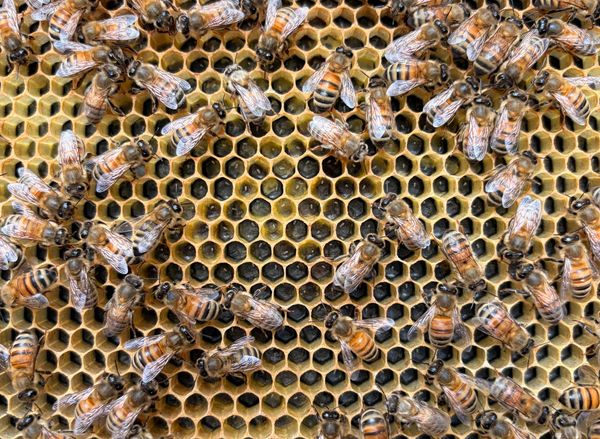
As a reminder, honey bees thermoregulate their hive to around 95 degrees year round, no matter what the temperature is outside. So in the summer heat, foraging bees collect water and return to the hive. In a coordinated effort, the bees flap their wings to push cool, humidified air into the hive while still more bees flap their wings to pull hot air out of the hive. It's the very same idea of the evaporative coolers (i.e. swamp coolers) many of us had in our home growing up.
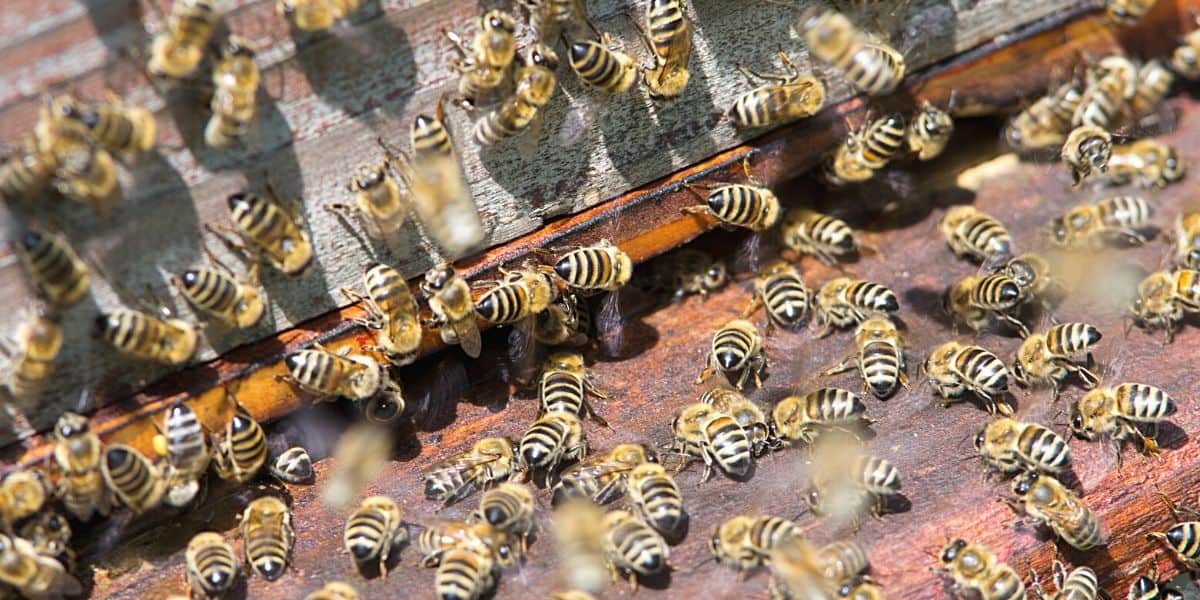
However, the result of this divided responsibility between food and water means fewer resources for the colony. To explain it in the most simplistic terms: If 100 bees are foraging but half of them must go collect water, that's 50% fewer nutritional resources for the colony. Therefore, instead of storing a surplus of honey, the bees were doing everything they could to keep the hive healthy and well-fed. This is why the harvest has been late and sporadic at best. Yet, despite these challenges, it has also been a year of discovery.
Because of the stressful conditions, I had multiple queens who failed to survive. In some cases, I was able to purchase new queens in time to rescue the colony. But eventually, I ran out of money and buying a new queen was not an option. So now it was up to me to help my colonies raise a new queen.
In some cases it was easy, they had plenty of eggs and so they simply produced queen cells and raised their own queen. In other cases, they didn't have eggs so I had to take a frame with eggs from another hive and give it to a queenless colony so they could also raise a queen of their own. It was a bit of a dance to keep things moving in a positive direction but thankfully it all worked out in the end.
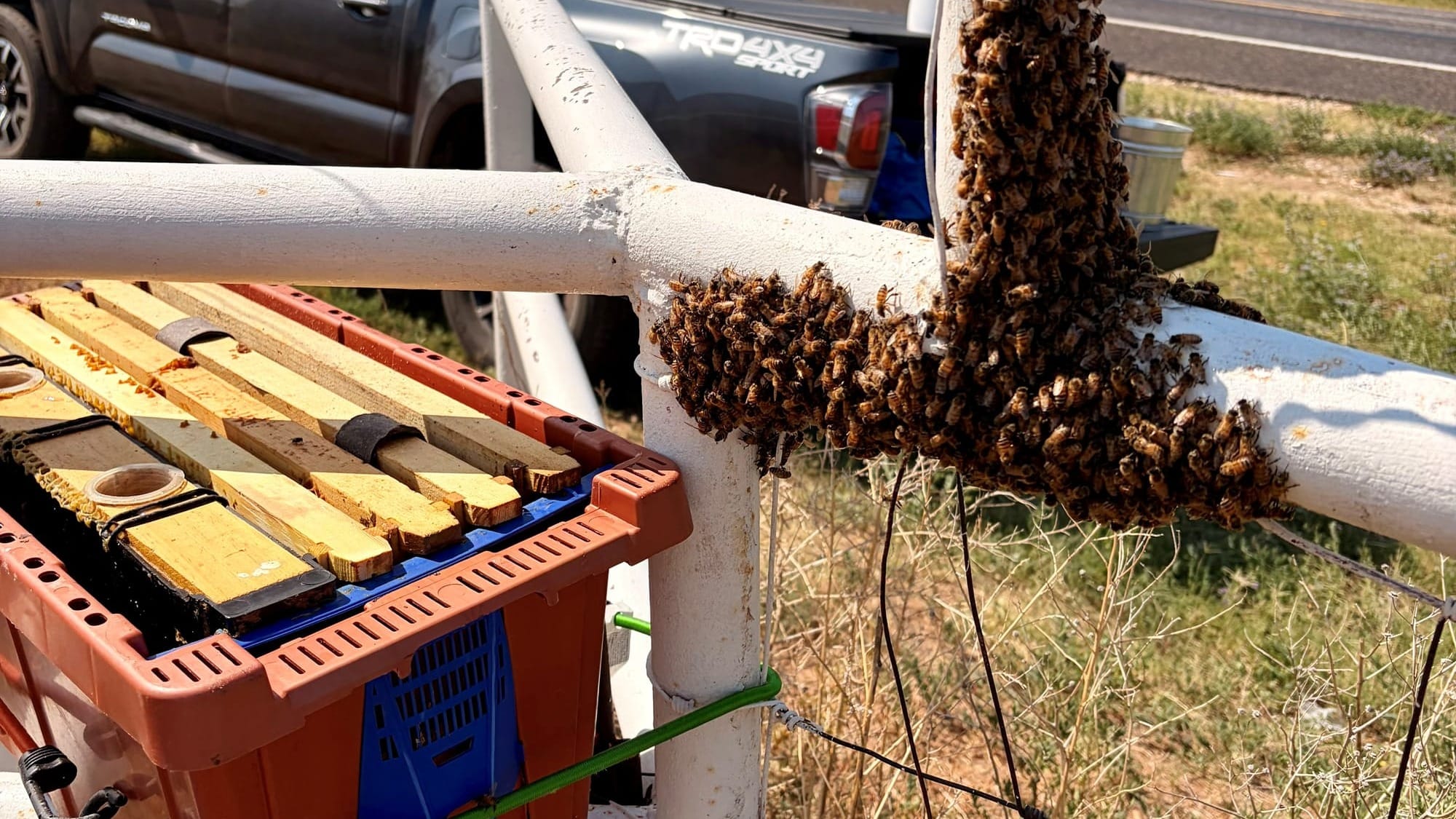
In an attempt to replenish my resources I also rescued swarms. Sometimes they were hanging on a fence post and other times they built their honeycomb home in the eave of roof. In either case, there is no guarantee I can find and save the queen. And when there is no queen, there is no colony.
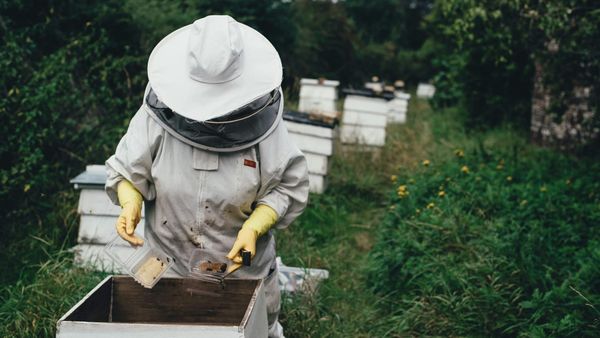
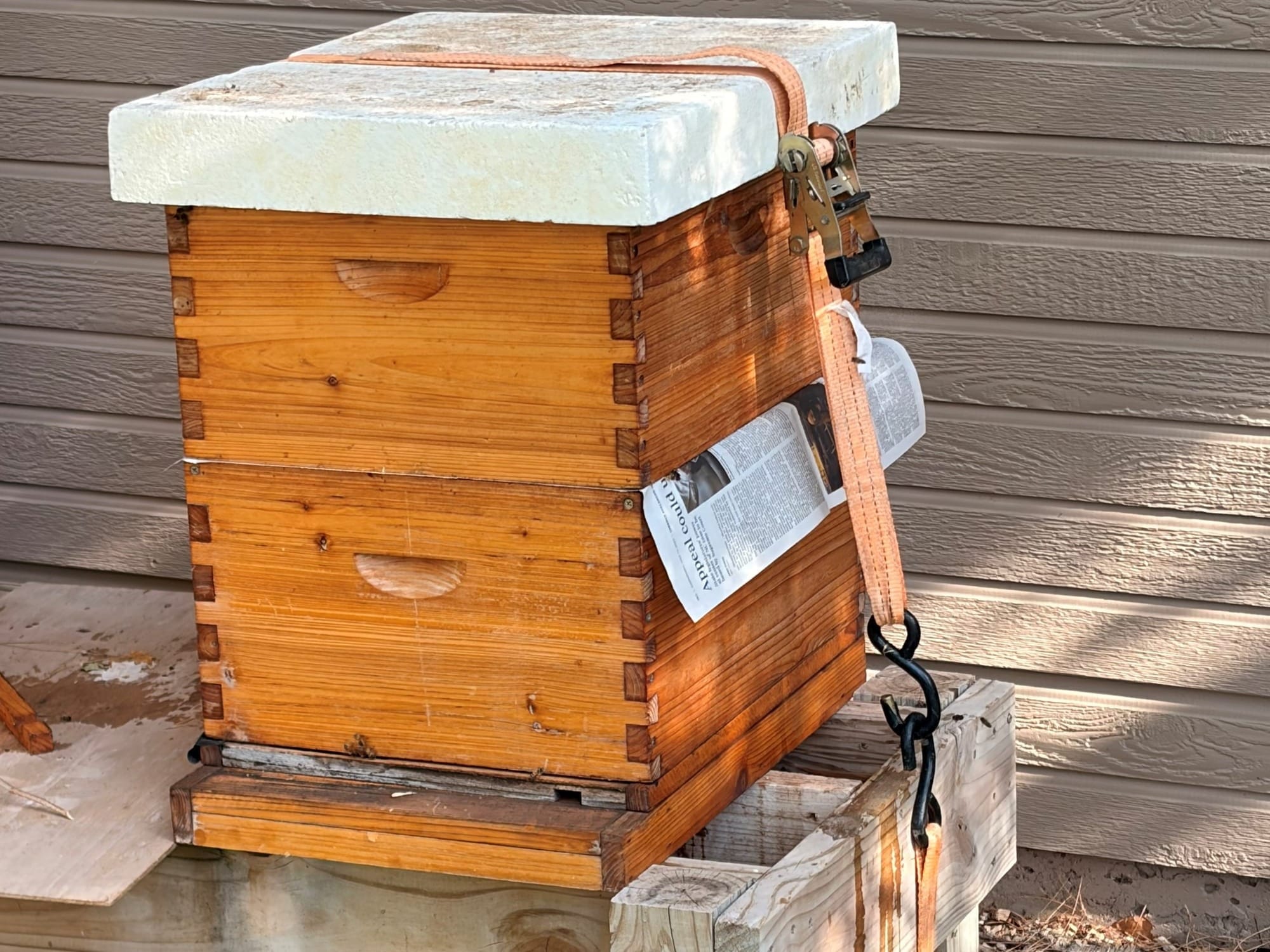
Also, being this late in the season, it is unlikely for small colonies to survive the winter. Therefore, I was forced to combine a weaker hive with a stronger hive. Which is so much harder than it sounds. Because bees from different colonies don't play nicely togther. In fact, they will kill a queen bee if they have not acclimated to her pheromone. So in this case, I put a piece of newspaper between 2 hive boxes to allow the different colonies to slowly integrate and become accustomed to the queen. So it was a year of gains and losses in the midst of swelteringly hot summer heat. Needless to say, this year has been a lot of work!
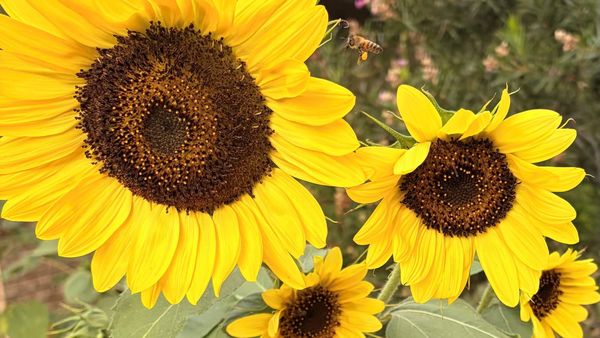
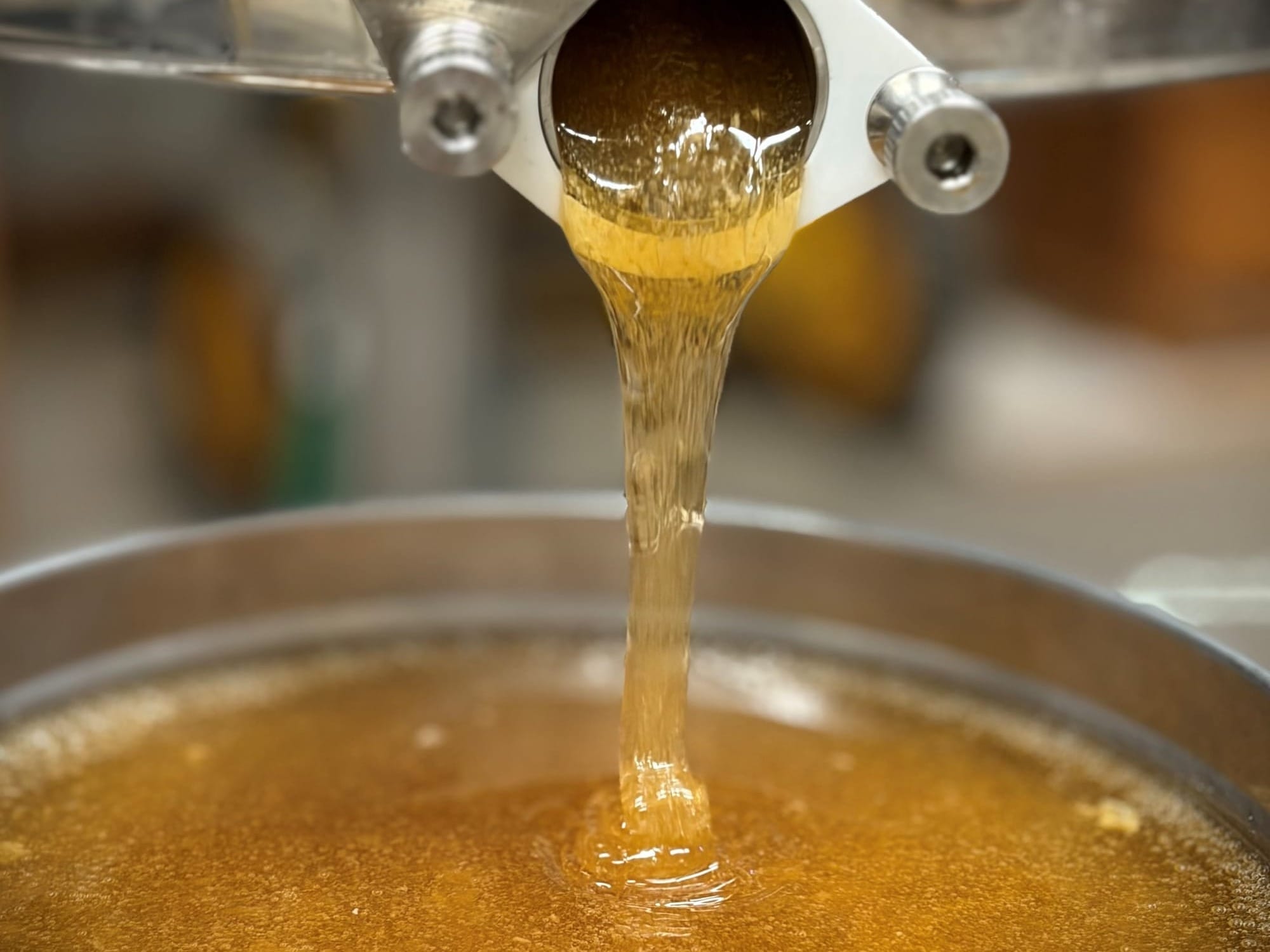
But at the end of the day, there has been a sweet reward. I've had my bees at different locations, foraging on different plants, for the very first time. Which means, each time I harvest, I have a completely different variety of honey. In some cases, it is a light fruit flavored honey that is sweet from start to finish. In other cases it is more floral, with a wide spectrum of flavors that dance all over your tongue. Diversity of bees in different locations, foraging on different plants, at different times of the year has resulted in a rainbow of flavors unlike I have ever experienced. So maybe the hard work is worth it after all.
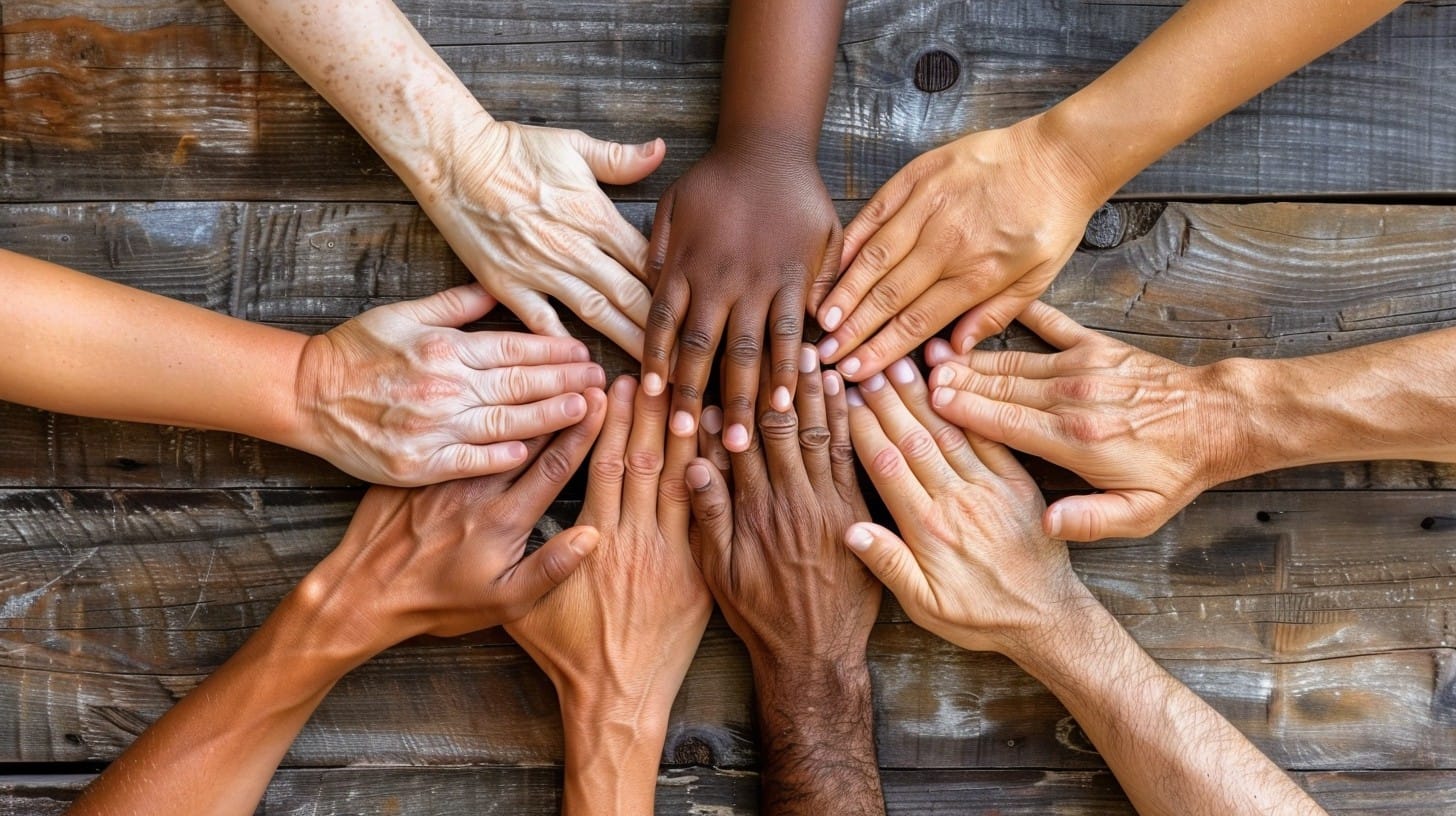
As it turns out, diversity in both beekeeping and life is where we find true beauty. But it's certainly not easy because we like to cluster around people who are just like us. Shared interests, shared political convictions, shared theological opinions, and the list goes on. But true beauty is seen in diversity when people gather from different ethnicities, political affiliations, and socioeconomical backgrounds and still live in deep, meaningful community. This is (or at least should be) especially true in the church. Because the church is a gathering of people who may only have one thing in common. It's Jesus... and He's enough! I believe this Christ centered community is the most beautiful example of God's love we see in the world today.
So once again, the bees continue to teach me wonderful life lessons. It wasn't easy, but the diversity of the honey harvest this year has been an unexpected blessing. I am currently bottling some of the most delicious honey I've ever harvested, so if you would like to taste the rainbow of flavors, please let me know.
You can click the banner of this post or go to my website https://www.shepherdshoney.com. Select the "shop" tab and then the ”order” button to send me an email. I'm not currently shipping my honey, but if you are in driving distance, I would be glad to deliver some to you!